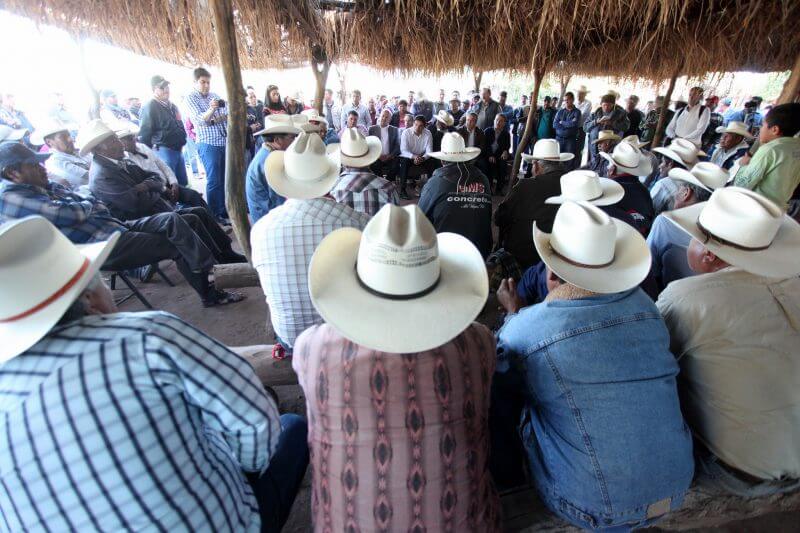
The Yaqui are Indigenous to the region surrounding the Río Yaqui in present-day Sonora, Mexico, with communities also established in Arizona. Their identity is deeply rooted in a spiritual relationship with the land, especially the river, which holds immense ceremonial and ecological significance. Their society is structured through a balance of traditional governance, religious brotherhoods, and language preservation, reflecting centuries of resistance and resilience in the face of external pressures.
The Yaqui have long defended their territory against colonization, forced relocation, and more recently, water diversion and industrial contamination. Major infrastructure projects, such as dams and aqueducts, have diverted water from the Río Yaqui, severely impacting agriculture, health, and ceremonial life. Additionally, environmental pollution from pesticides and mining has contributed to rising illness within their territory, sparking legal and grassroots efforts to demand accountability and resource sovereignty.
One of the most inspiring aspects of Yaqui life is their commitment to cultural continuity through ceremony, language, and political activism. The annual Easter ceremonies—an intricate fusion of Indigenous spirituality and Catholic symbolism—demonstrate the dynamic preservation of belief systems through art, music, and performance. The Yaqui have also asserted sovereignty through court battles and international advocacy, ensuring that future generations inherit not only their land but the spirit of resistance embedded within it.