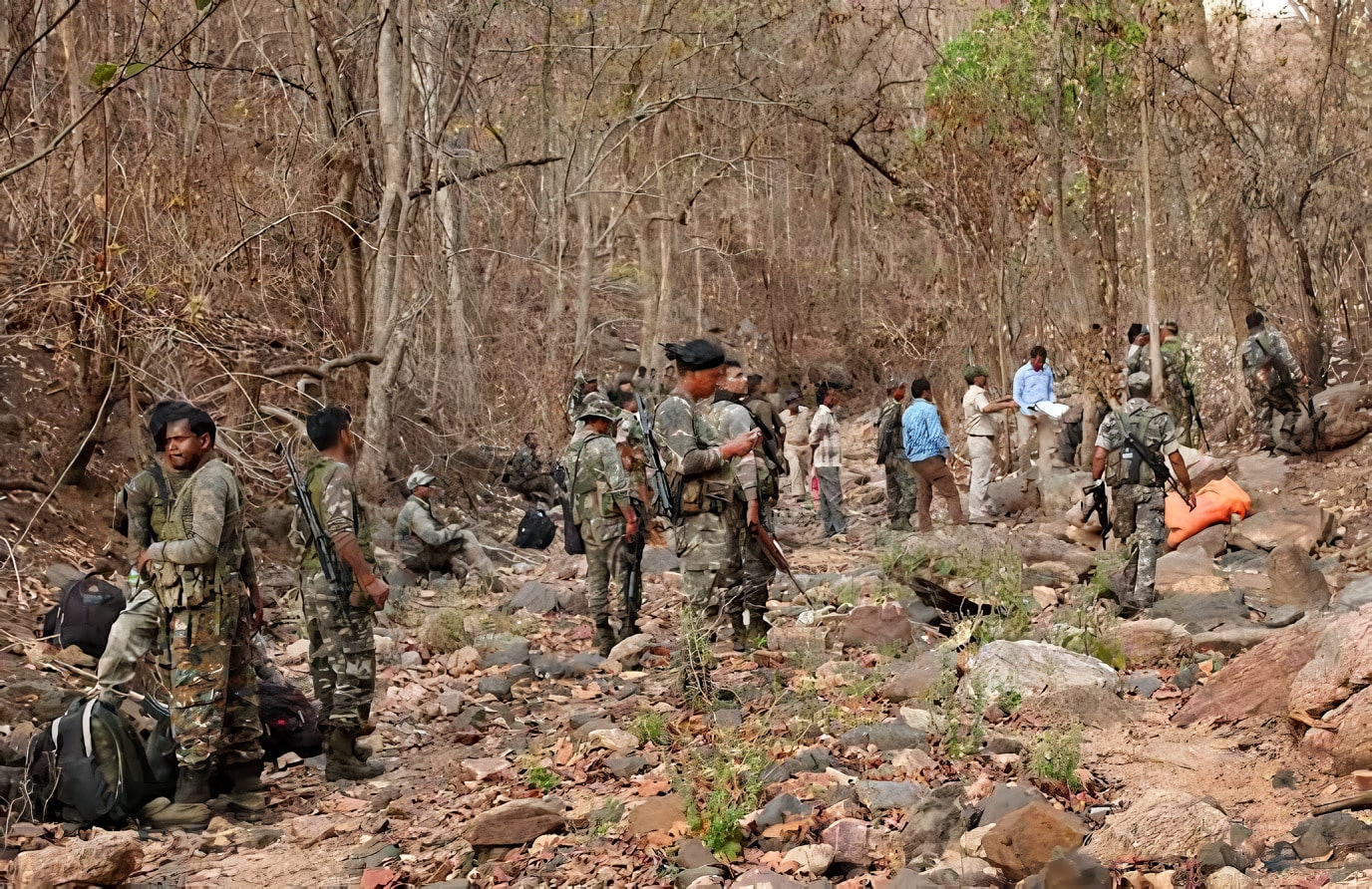
The Adivasi are the Indigenous tribal peoples of India, representing a diverse array of communities with distinct languages, traditions, and spiritual practices. They primarily inhabit forested and rural regions across states such as Jharkhand, Chhattisgarh, Odisha, Madhya Pradesh, and Maharashtra. Known for their deep connection to nature and ancestral knowledge systems, Adivasi communities traditionally live in harmony with the land, relying on agriculture, forest produce, and sustainable lifestyles.
Adivasi peoples face significant challenges, including land dispossession, displacement due to mining and infrastructure projects, poverty, and lack of access to education and healthcare. Despite constitutional protections under India’s Fifth and Sixth Schedules, many Adivasi communities have been forcibly evicted from ancestral lands in the name of development. Their forest rights are often ignored or violated, leading to loss of cultural identity, environmental degradation, and social exclusion. Discrimination and systemic inequality continue to affect their livelihoods and dignity.
What’s inspiring about the Adivasi is their growing grassroots resistance and cultural revitalization. Across India, Adivasi leaders, youth, and women’s collectives are mobilizing to demand land rights under the Forest Rights Act, political representation, and protection of Indigenous languages and customs. Movements such as the Niyamgiri resistance in Odisha and the work of Adivasi educators and storytellers highlight a powerful commitment to justice, autonomy, and cultural pride. Their resilience continues to shape the broader struggle for Indigenous rights in South Asia.