The ‘Amis (also spelled Amis or Pangcah) are the largest recognized Indigenous group in Taiwan, with a population of over 200,000. Traditionally residing along Taiwan’s eastern coastal plains and mountainous regions, the ‘Amis are part of the Austronesian ethno-linguistic family. Their culture is rooted in communal farming, fishing, matrilineal kinship systems, and elaborate harvest festivals like the annual Malahodaigian. Their oral traditions, dances, and rituals remain vital to their community life and spiritual beliefs.
While the ‘Amis people have maintained many of their traditional practices, they face increasing pressures of language loss and cultural assimilation. Decades of colonization—first by the Japanese and later by Han Chinese authorities—led to restrictions on Indigenous languages and customs. As a result, younger generations often speak Mandarin more fluently than their native tongue. Efforts are now underway to revitalize the ‘Amis language and restore cultural practices through tribal schools, festivals, and government-supported heritage programs.
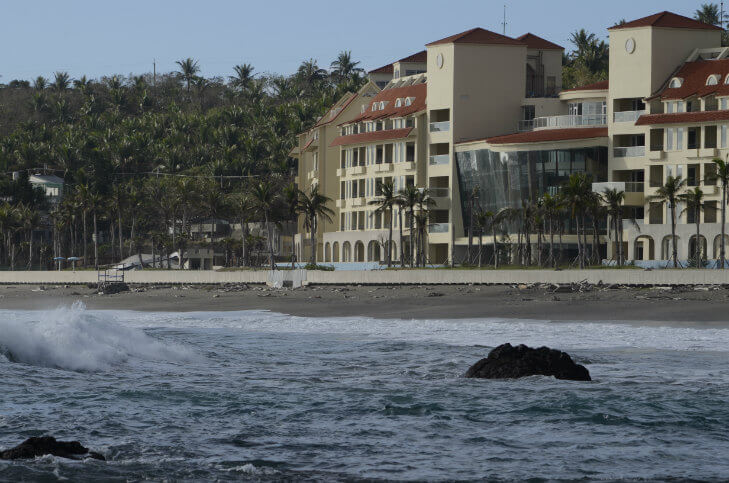
The ‘Amis face modern challenges including land disputes, environmental degradation, and limited political representation. Many traditional territories have been appropriated for tourism or development without full tribal consent. Additionally, climate change and infrastructure projects threaten coastal areas that are central to ‘Amis livelihoods. Activists from within the community are now leading movements for land rights, environmental justice, and Indigenous self-governance in Taiwan, pushing for recognition not only from the state but also within global Indigenous rights forums.