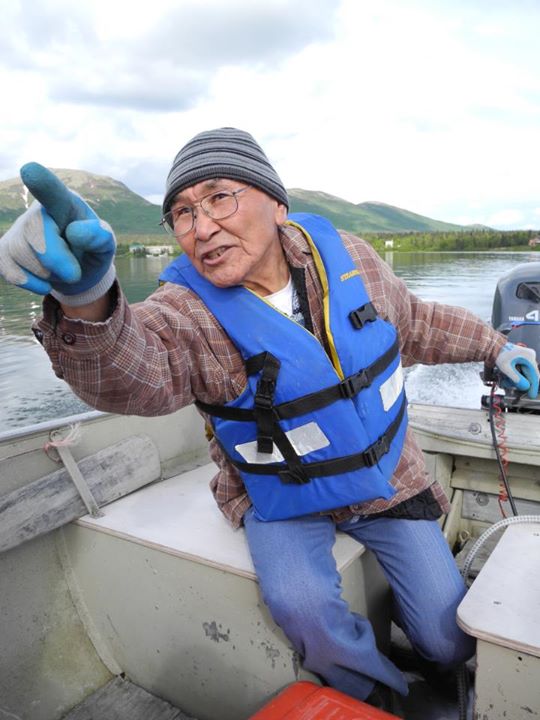
The Athabaskan (also spelled Athabascan or Dene) peoples are a large group of Indigenous communities spread across vast regions of Alaska, western Canada, and parts of the southwestern United States. They speak related languages belonging to the Athabaskan branch of the Na-Dené language family. Some well-known Athabaskan groups include the Gwich’in, Dena’ina, and Navajo (Diné). Traditionally, they are known for their strong connection to the land, subsistence lifestyles, and rich oral storytelling traditions.
Athabaskan peoples face numerous contemporary challenges such as climate change, loss of traditional lands, language endangerment, and socio-economic disparities. Melting permafrost, disrupted wildlife migration patterns, and resource extraction threaten the ecosystems they rely on for hunting and fishing. Additionally, many Athabaskan languages are at risk of disappearing as younger generations are less likely to learn them. Systemic inequalities in healthcare, education, and infrastructure also impact community well-being.
Despite these challenges, Athabaskan communities are at the forefront of language revitalization and cultural education. Programs such as the Gwich’in language immersion schools and the Navajo Nation’s efforts in education have strengthened identity and intergenerational knowledge transmission. Elders, educators, and youth are collaborating to record oral histories, teach traditional skills, and defend sacred lands. Their resilience and dedication to cultural survival inspire broader movements for Indigenous rights and environmental justice.
Athabaskan people, Indigenous North America, Athabascan languages, Native American tribes, Indigenous resilience, cultural preservation, environmental challenges