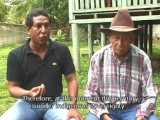
The Awas Tingni are an Indigenous community of the Mayangna peoples, residing in the Caribbean coastal region of Nicaragua, within the country’s tropical rainforest. Traditionally semi-nomadic, the Awas Tingni practice subsistence agriculture, hunting, and fishing while maintaining a deep spiritual and cultural relationship with their ancestral lands. Their territory is part of the larger Miskito Coast, a biodiverse region long inhabited by various Indigenous groups.
The Awas Tingni have faced persistent challenges related to land tenure and government-sanctioned resource exploitation. In the 1990s, the Nicaraguan government granted logging concessions on their traditional lands without consent, prompting a legal battle for recognition of their land rights. Despite centuries of stewardship, the community lacked formal land titles—a vulnerability exploited by commercial interests and a government unwilling to acknowledge Indigenous autonomy.
The Awas Tingni made global history in 2001 when the Inter-American Court of Human Rights ruled in their favor, marking the first time an international court recognized Indigenous peoples’ collective land rights. This legal precedent inspired Indigenous communities worldwide to pursue similar protections. Today, the Awas Tingni continue to protect their territory and culture through communal governance and sustainable land use, embodying the resilience and advocacy that has reshaped international human rights law.