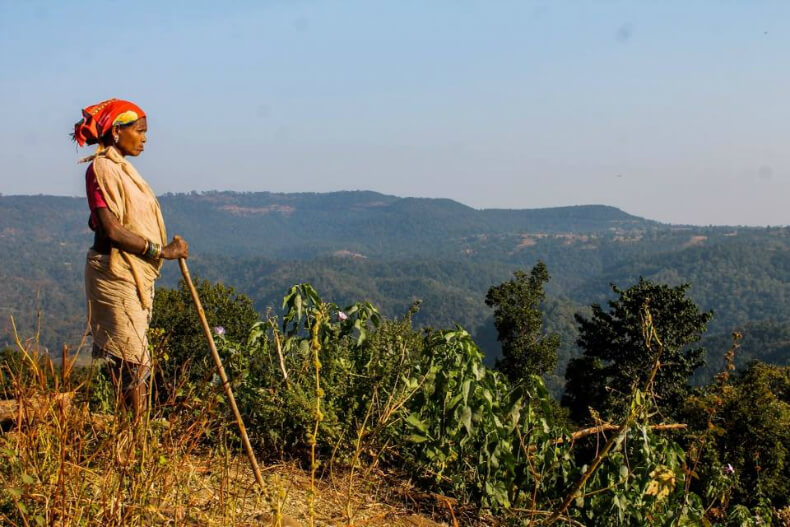
The Baiga are an Indigenous community primarily residing in the forested regions of Madhya Pradesh, Chhattisgarh, and Jharkhand, India. Known for their deep spiritual connection to nature, the Baiga traditionally practice shifting cultivation, herbal medicine, and forest-based subsistence. Their cultural identity is reflected in their unique tattoos, folklore, and traditional dances, which embody a profound respect for the land and ancestral traditions.
Modern conservation policies, deforestation, and displacement from protected areas have critically impacted the Baiga way of life. Evictions from forests and restrictions on traditional farming practices have led to a decline in food security and economic independence. Additionally, systemic marginalization and lack of access to formal education and healthcare contribute to their social and political vulnerability in a rapidly modernizing society.
Amid these challenges, the Baiga are emerging as powerful advocates for Indigenous rights and ecological stewardship. Many have organized efforts to reclaim forest access and revitalize traditional knowledge systems. Women, in particular, are leading initiatives in herbal healing and sustainable farming. Their determination to preserve their culture while pushing for recognition and autonomy offers a deeply inspiring model of resilience and resistance.