The Bakossi are an Indigenous Bantu-speaking people living primarily in the mountainous regions of the Southwest Region of Cameroon, near Mount Kupe. Traditionally farmers and hunters, the Bakossi maintain a rich cultural heritage rooted in spiritual traditions, ancestral worship, and strong communal bonds. Their way of life has historically been closely tied to the forest, which they consider sacred and vital to their well-being and identity.
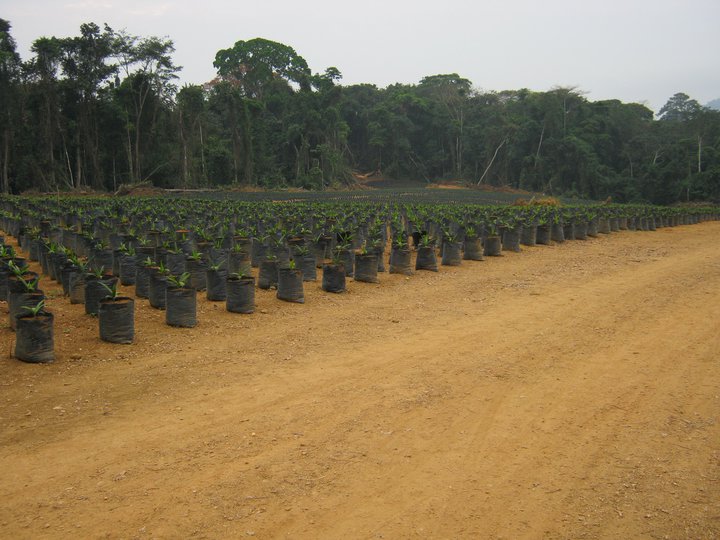
The Bakossi people face growing challenges related to land rights, environmental degradation, and cultural erosion. Commercial agriculture, particularly palm oil and rubber plantations, has led to encroachment on ancestral lands without proper consultation or compensation. Additionally, modern development pressures and insufficient government recognition have contributed to a decline in traditional practices, language use, and spiritual customs among younger generations.
Despite these challenges, the Bakossi have become active guardians of biodiversity, especially through their stewardship of the Bakossi Forest Reserve. Local leaders and grassroots organizations have worked to conserve the area while integrating traditional ecological knowledge. Their resilience and dedication to preserving both their cultural identity and natural environment serve as a powerful example of Indigenous-led conservation and cultural revitalization in the face of globalization.