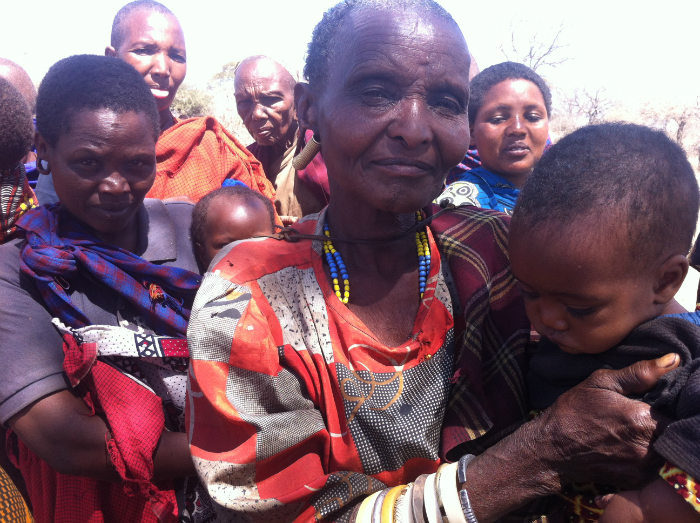
The Barabaig are a semi-nomadic pastoralist group primarily residing in the Hanang District of northern Tanzania. They are a subgroup of the larger Datoga ethnic group and speak a Nilotic language. Traditionally, the Barabaig have maintained a lifestyle centered on cattle herding, with deep spiritual and cultural connections to their livestock and land. Their social life is organized around clans and age-based hierarchies, and their ceremonial practices—including intricate body scarification and vibrant dress—are vital expressions of cultural identity.
One of the most pressing challenges the Barabaig face is loss of ancestral land. In the 1990s, large swaths of Barabaig territory were appropriated by the Tanzanian government for state-run wheat farming projects, displacing many families and disrupting their pastoral economy. Despite legal efforts to reclaim their land, they continue to face legal, political, and economic marginalization. Restricted access to grazing lands has severely affected their livelihood and social cohesion.
The Barabaig have shown incredible resilience and courage by challenging land expropriation through national and international legal systems. Though not always successful in court, their efforts have brought global attention to Indigenous land rights in East Africa. Equally inspiring is their commitment to preserving their language, customs, and oral history, even under pressure from modernization and displacement. The Barabaig continue to embody the strength of Indigenous resistance and cultural continuity.