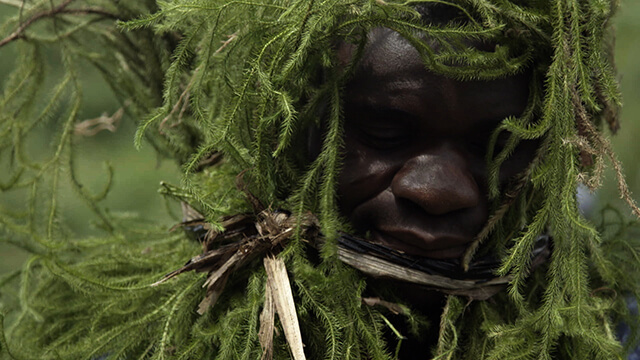
The Batwa are one of the oldest Indigenous groups in Central Africa, traditionally living as forest-dwelling hunter-gatherers in the Great Lakes region, particularly in Uganda, Rwanda, Burundi, and the Democratic Republic of Congo. Often referred to as “forest keepers,” the Batwa hold deep ecological knowledge of the forests they have inhabited for millennia, especially areas surrounding national parks like Bwindi and Mgahinga. Their cultural and spiritual traditions are intricately tied to the forest ecosystem.
The Batwa have faced extreme displacement due to conservation policies and armed conflicts. In Uganda, the creation of national parks in the 1990s led to the forcible eviction of the Batwa from their ancestral forests without compensation or relocation support. This has resulted in poverty, landlessness, and social marginalization. Many Batwa now live in inadequate settlements and face limited access to education, healthcare, and economic opportunities, alongside systemic discrimination from majority populations.
Despite enduring marginalization, the Batwa are actively engaged in efforts to preserve their language, traditions, and rights. Indigenous organizations like the United Organisation for Batwa Development in Uganda (UOBDU) advocate for land rights, health care, and education. Batwa communities are also involved in cultural tourism and storytelling as means of cultural revitalization and income generation. Their resilience and push for recognition reflect their unwavering commitment to preserving their identity and seeking justice.