The Bedzang, also known as the Bedzan, are a small Indigenous community residing in the Ngambè-Tikar area of Cameroon’s Central Region. Traditionally, they are hunter-gatherers with a deep connection to the forest ecosystem, relying on it for sustenance and cultural practices. Their language is a dialect of Tikar, reflecting historical ties with the Tikar people. Despite their small population, estimated between 250 and 1,200 individuals, the Bedzang maintain a rich cultural heritage rooted in their ancestral lands.
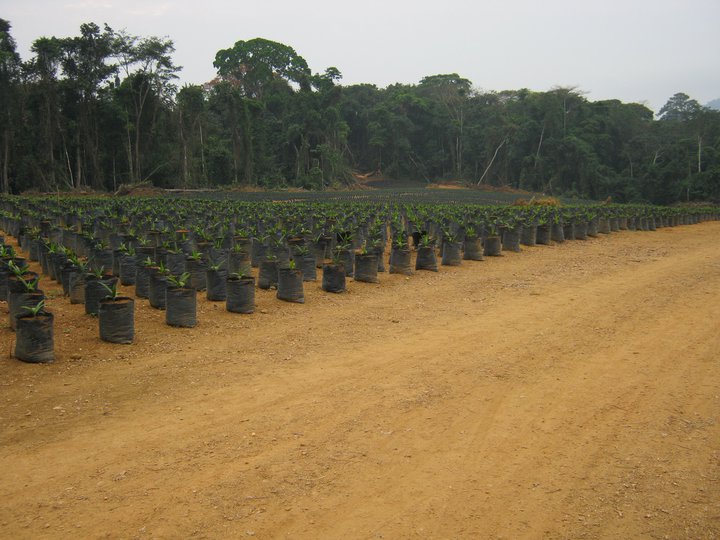
The Bedzang face significant challenges, including social marginalization and loss of ancestral lands. Their traditional territories are increasingly threatened by deforestation, agricultural expansion, and lack of legal recognition, leading to displacement and erosion of their cultural identity. Additionally, limited access to education, healthcare, and political representation exacerbates their vulnerability, hindering efforts to preserve their way of life.
In response to these challenges, the Bedzang have demonstrated remarkable resilience and commitment to cultural preservation. They actively participate in Indigenous advocacy networks, such as the national platform of Indigenous forest peoples’ organizations in Cameroon, to assert their rights and promote sustainable development. Through these efforts, the Bedzang strive to protect their heritage and ensure a future that honors their identity and traditions.