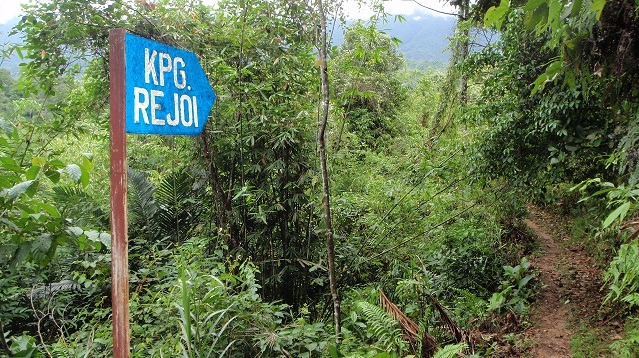
The Bidayuh, also known as Land Dayak, are Indigenous to the Malaysian state of Sarawak and parts of western Kalimantan in Indonesia. Traditionally living in longhouses nestled within hilly, forested terrain, the Bidayuh have a rich cultural legacy rooted in agriculture, particularly rice cultivation, and forest stewardship. Their language branches into several dialects, and their customs include vibrant festivals like Gawai Dayak, where music, dance, and communal rituals celebrate the harvest and ancestral spirits.
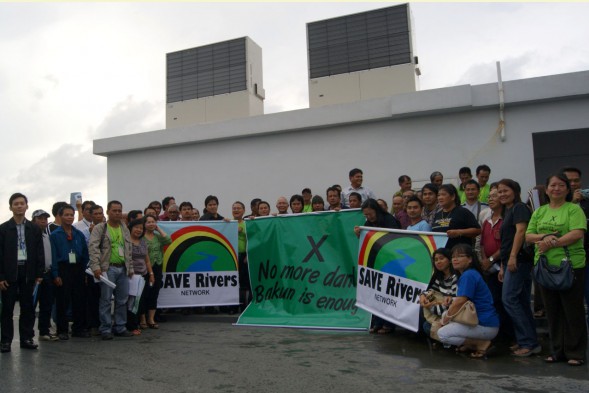
One of the major challenges faced by the Bidayuh is the ongoing struggle for land rights amid rapid development and commercial exploitation. Large-scale logging, palm oil plantations, and infrastructure expansion have encroached upon ancestral territories, disrupting traditional livelihoods and threatening biodiversity. In addition, youth migration to urban centers has led to a gradual erosion of language and customs, creating tension between modernization and cultural preservation.
Despite these challenges, the Bidayuh have shown inspiring resilience by actively reviving their language, customs, and ecological wisdom. Community-led initiatives are teaching traditional agricultural methods alongside modern education, promoting environmental sustainability and cultural pride. Language documentation projects, cultural festivals, and eco-tourism efforts are helping to reestablish identity while offering economic alternatives that honor Bidayuh heritage. This revival reflects a growing movement toward Indigenous empowerment and ecological harmony in Southeast Asia.