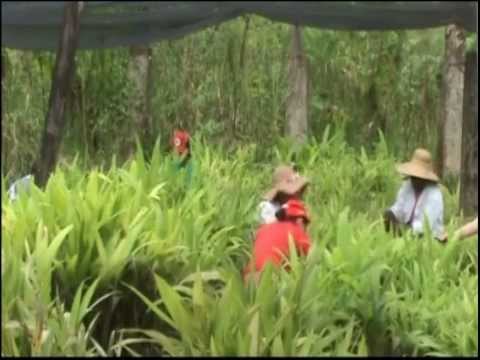
The Caiçaras are traditional coastal communities primarily found along Brazil’s southeastern Atlantic coast, particularly in the states of São Paulo, Rio de Janeiro, and Paraná. They are descendants of Indigenous peoples (such as the Tupi-Guarani), African slaves, and Portuguese settlers, and their culture reflects this rich heritage. Living in harmony with the Atlantic Forest and coastal ecosystems, Caiçaras rely on small-scale fishing, subsistence farming, and artisanal practices. While they are not officially classified as an Indigenous group under Brazilian law, they share deep ancestral ties to the land and are recognized as traditional peoples under federal environmental and cultural protections.
Caiçara communities face increasing threats from coastal development, real estate speculation, tourism expansion, and restrictive environmental regulations that often overlook their traditional livelihoods. Many have been displaced or criminalized for engaging in fishing and farming practices that are vital to their survival. Government policies sometimes favor conservation models that exclude local communities, leading to a loss of autonomy and cultural erosion. The expansion of urban centers and infrastructure projects further pressure these communities, putting at risk the biodiversity they help preserve and the heritage they sustain.
What’s truly inspiring about the Caiçaras is their commitment to preserving both their cultural identity and the ecosystems they depend on. Many communities are now leading efforts in sustainable tourism, environmental education, and traditional ecological knowledge-sharing. They are advocating for inclusive conservation policies that recognize their role as stewards of the land and sea. Through grassroots organizing, cultural festivals, and alliances with environmental groups, the Caiçaras are reclaiming their voice in public policy and ensuring that their way of life continues to flourish in the face of modern challenges.