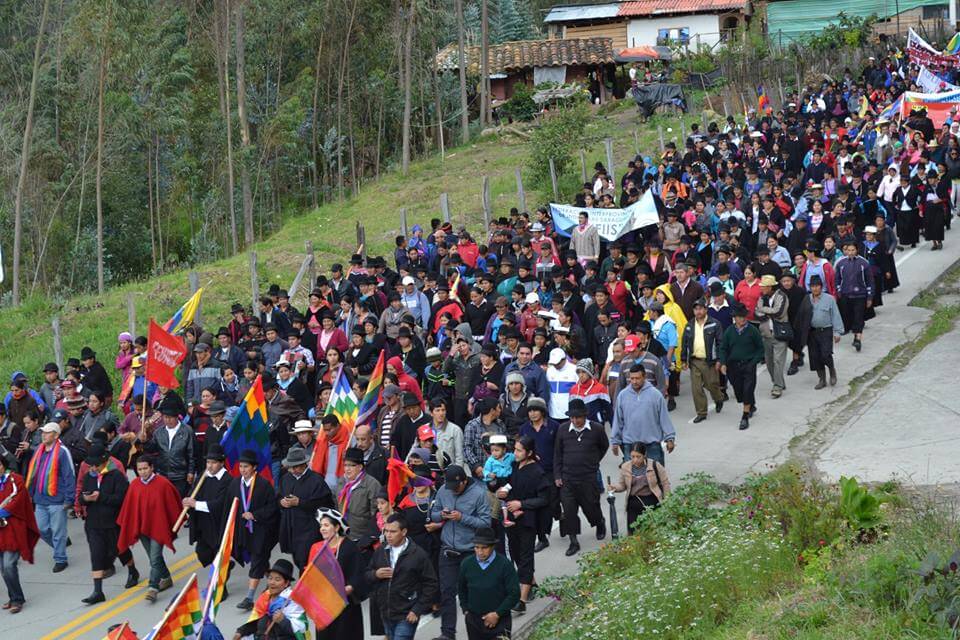
The Cañari are an Indigenous peoples native to the Andean highlands of southern Ecuador, primarily in the provinces of Cañar and Azuay. Long before the Inca Empire expanded into their territory, the Cañari had established a complex society known for advanced agricultural techniques, astronomy, and stone architecture. Despite resisting Inca conquest and later facing Spanish colonization, the Cañari have maintained a strong cultural identity rooted in communal living, traditional farming, and reverence for Pachamama (Mother Earth). Today, many Cañari continue to speak Kichwa, an Indigenous language that evolved from their native tongue and Inca influence.
The Cañari face numerous modern challenges, including land scarcity, environmental degradation, and socio-economic inequality. Many have been displaced due to mining projects and agricultural privatization, weakening traditional land-based livelihoods. Additionally, a significant portion of the Cañari population has migrated—especially to the United States—for economic opportunities, leading to family separation and cultural fragmentation. Back home, educational and political systems often fail to reflect Indigenous perspectives, further marginalizing Cañari voices and contributing to the erosion of language and customs among younger generations.
Despite these hardships, the Cañari have become powerful agents of cultural preservation and transnational solidarity. Diaspora communities, particularly in New York, remain deeply connected to their roots, supporting projects back home through remittances and advocacy. In Ecuador, Cañari leaders are reviving Indigenous education, land stewardship, and ancestral ceremonies as part of a broader cultural resurgence. Their dual presence—both local and global—demonstrates a remarkable ability to adapt without losing identity. The Cañari story is one of resilience, pride, and the enduring strength of Indigenous worldviews in a rapidly changing world.