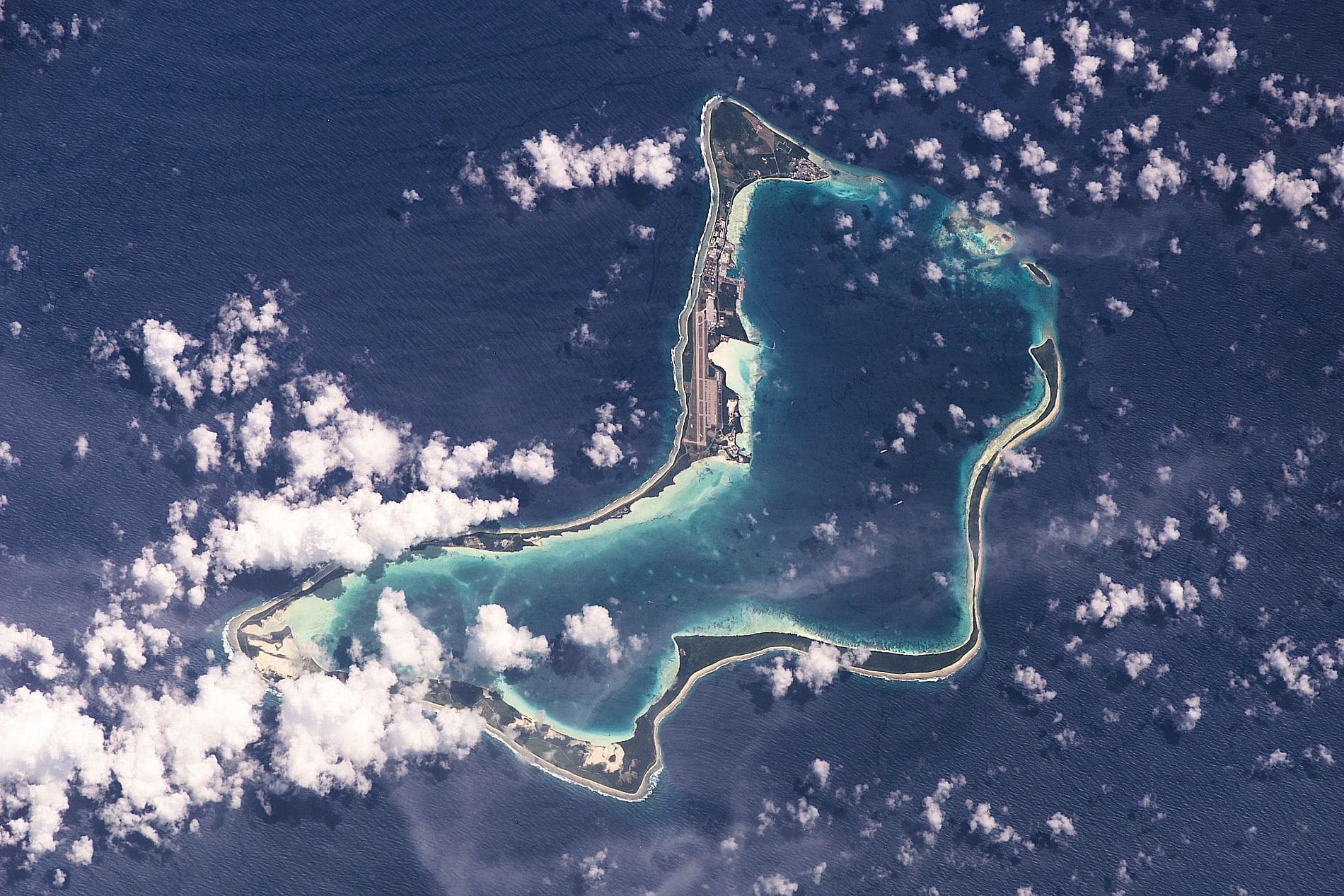
The Chagos Indigenous Peoples, also known as the Chagossians or Ilois, are originally from the Chagos Archipelago, a group of islands in the Indian Ocean that includes Diego Garcia. They are of African, South Asian, and Malay descent, and developed a unique culture over generations marked by Creole language, traditional fishing practices, and spiritual customs. Though deeply connected to their island home, most Chagossians today live in exile, primarily in Mauritius, the United Kingdom, and the Seychelles, after being forcibly removed in the late 1960s and 1970s.
The Chagossian people were forcibly displaced by the British government between 1968 and 1973 to make way for a U.S. military base on Diego Garcia. Since then, they have faced severe challenges, including statelessness, poverty, lack of access to healthcare and education, and psychological trauma from forced removal. Despite multiple legal battles and rulings from international courts affirming their right to return, the UK government has continued to deny them resettlement, citing strategic and security concerns. This ongoing displacement has fragmented their community and strained efforts to preserve their identity.
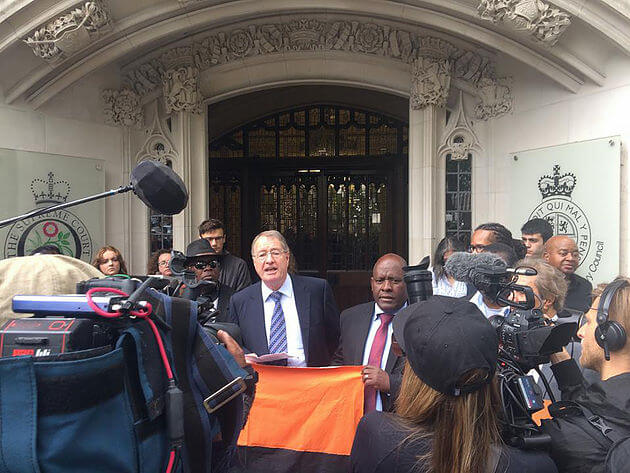
What is deeply inspiring about the Chagossian people is their unwavering resilience and activism. For decades, they have led a global human rights campaign demanding justice, recognition, and the right to return to their homeland. Chagossian leaders have taken their cause to the United Nations, the International Court of Justice, and the global media—refusing to let their story be forgotten. Their courage has sparked international solidarity and raised awareness about Indigenous displacement and colonial legacies. The Chagossians’ fight is a profound reminder that the right to home is a fundamental human right worth defending.