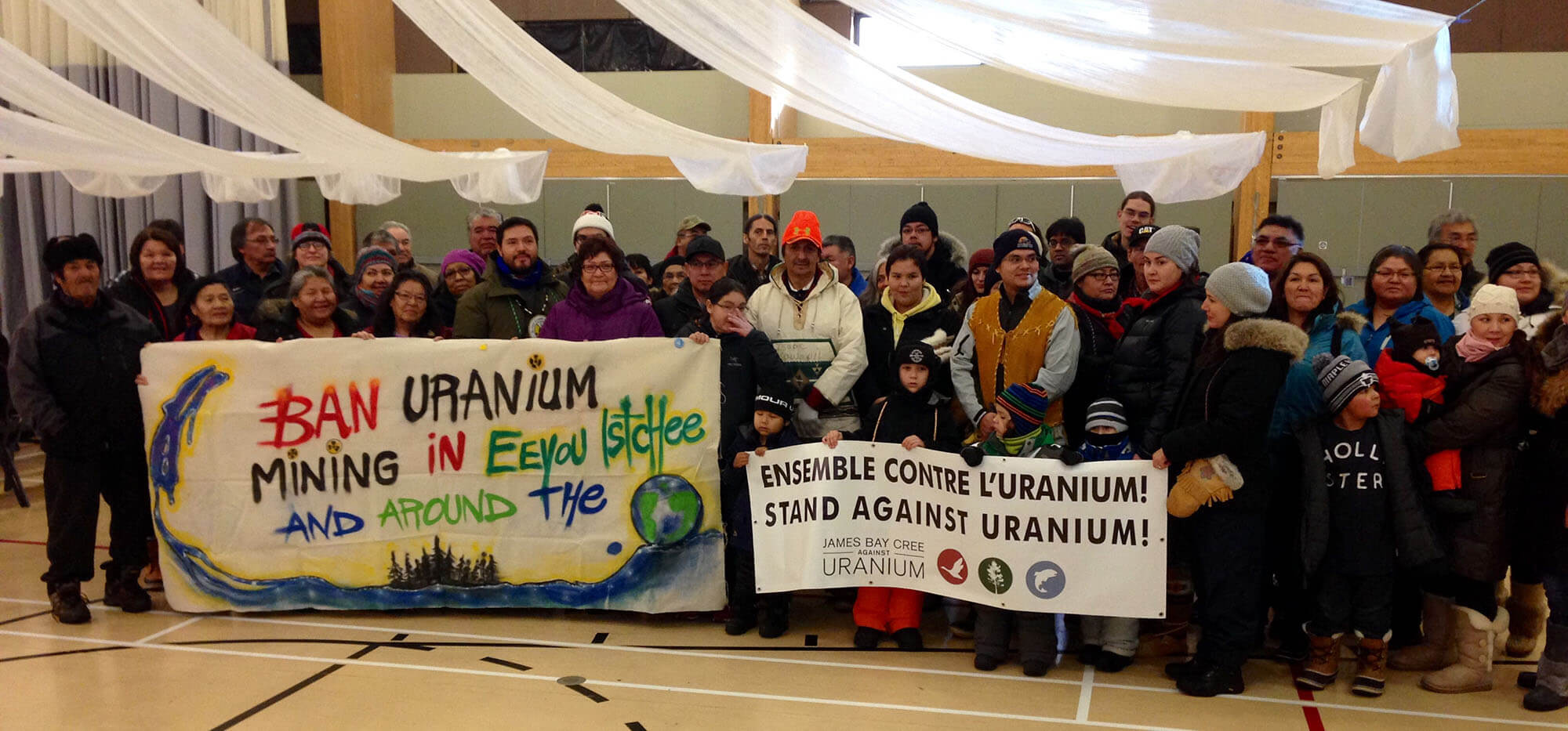
The Cree Indigenous Peoples are one of the largest First Nations groups in North America, with communities stretching across Canada from Alberta to Quebec and into parts of the northern United States. They are traditionally divided into several groups based on region and dialect, including the Plains Cree, Swampy Cree, and Woodland Cree. The Cree have a rich cultural heritage rooted in hunting, trapping, and deep spiritual relationships with the land, expressed through ceremonies, oral traditions, and strong kinship systems. Their languages, part of the Algonquian family, are still spoken and taught today in many communities.
Despite their resilience, the Cree continue to face serious challenges stemming from colonization and systemic marginalization. Ongoing issues include the fight for land rights, environmental degradation from mining and hydroelectric projects, and the intergenerational trauma caused by the residential school system. Many Cree communities contend with inadequate access to healthcare, education, clean water, and economic opportunities. In regions like James Bay, Cree leaders have been at the forefront of legal battles against exploitative development that threatens their lands and way of life.
What stands out as truly inspiring is the Cree people’s commitment to cultural and political resurgence. They have established thriving language revitalization programs, including Cree immersion schools and digital tools like language apps and media. Politically, the Cree have formed strong governance structures, such as the Grand Council of the Crees (Eeyou Istchee), which actively negotiates self-government agreements and protects Cree sovereignty. Their ability to blend tradition with innovation serves as a powerful example of how Indigenous nations can reclaim their futures while honoring their pasts.