The Diné, commonly known as the Navajo people, are one of the largest and most well-known Indigenous nations in North America. Their ancestral homeland spans across the Four Corners region of the southwestern United States—Arizona, New Mexico, Utah, and Colorado. With a rich cultural heritage that includes the Diné Bizaad language, intricate weaving, silversmithing, and a deep spiritual connection to the land, the Diné maintain a strong cultural identity rooted in kinship, storytelling, and traditional ecological knowledge. Their society is traditionally matrilineal, and ceremonies like the Blessingway continue to be central to Diné life.
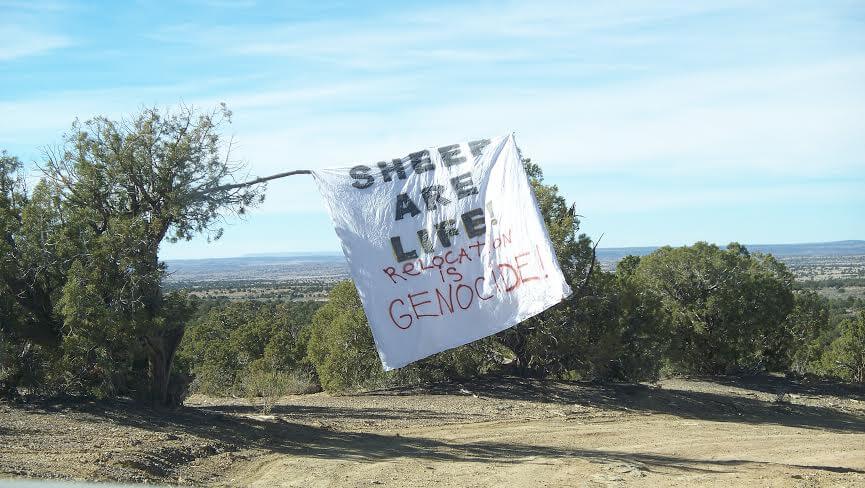
The Diné people face multiple challenges stemming from colonization, forced relocation, and environmental exploitation. The legacy of uranium mining on Diné land has led to serious health issues, contaminated water, and long-term environmental damage. Additionally, poverty rates remain high, and many Diné communities lack access to basic infrastructure like clean water and electricity. The COVID-19 pandemic further highlighted these disparities. Language preservation is another concern, as fewer young Diné are fluent in Diné Bizaad, threatening the continuity of cultural knowledge and intergenerational transmission.
Amid these challenges, the Diné Nation has become a powerful symbol of Indigenous resilience and self-determination. Community-led efforts to revitalize Diné Bizaad have led to language immersion schools and cultural programming for youth. The Diné have also taken bold steps toward environmental justice, including transitioning to renewable energy sources and restoring traditional farming methods. Through activism, education, and spiritual resilience, the Diné continue to protect their land, honor their ancestors, and inspire future generations—not only within their own nation but across Indigenous and non-Indigenous communities worldwide.