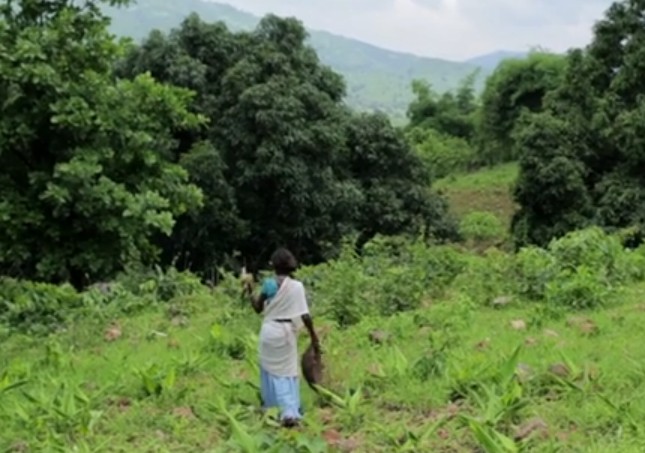
The Dongria Kondh are an Indigenous Adivasi community living in the Niyamgiri Hills of Odisha, India. Known for their deep spiritual connection to nature, they worship Niyam Raja—the mountain god—and have traditionally lived in harmony with their forested surroundings. Practicing sustainable agriculture and shifting cultivation, the Dongria Kondh have developed a self-sufficient lifestyle rooted in biodiversity. Their rich oral traditions, distinct language (Kui), and vibrant cultural expressions like music, dance, and dress make them one of India’s most unique Indigenous groups.
The Dongria Kondh have faced grave threats from industrial development, particularly from proposed bauxite mining by large corporations in their sacred Niyamgiri Hills. These projects threaten not only their environment but also their cultural and spiritual existence. Despite a landmark 2013 Supreme Court ruling that upheld their right to reject mining on their ancestral lands, ongoing pressures, bureaucratic hurdles, and the risk of displacement persist. Additionally, limited access to healthcare, education, and legal support continues to affect their quality of life and ability to protect their way of being.
What is truly inspiring about the Dongria Kondh is their unwavering resistance in the face of powerful forces. Their grassroots mobilization—organized without external leadership—led to a historic victory in 2013 when all 12 of their village councils unanimously rejected bauxite mining in a Supreme Court-mandated vote. Their peaceful and united stand became a global symbol of Indigenous empowerment and environmental justice. The Dongria Kondh’s success in defending their sacred lands continues to inspire Indigenous movements around the world, proving that cultural integrity and ecological wisdom can triumph over exploitation.