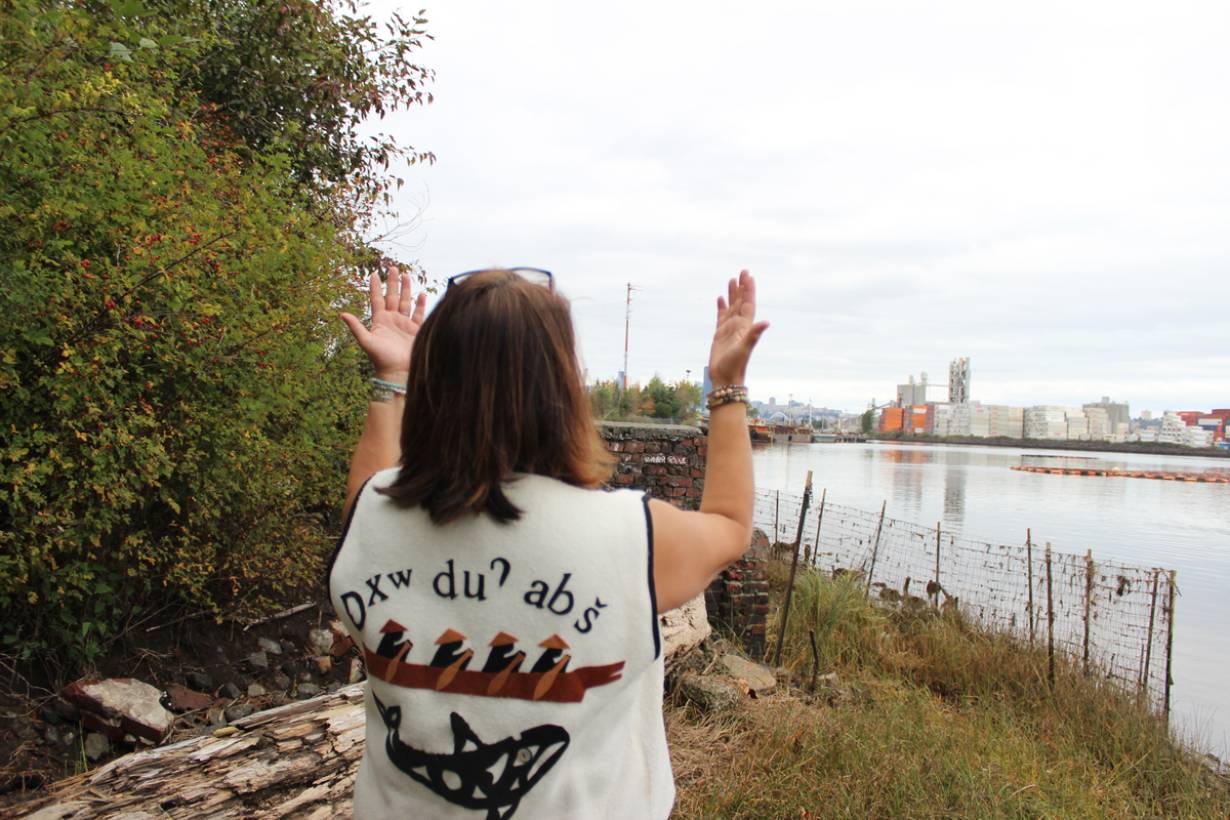
The Duwamish peoples, also known as the Dxʷdəwʔabš, are a Coast Salish Indigenous nation whose ancestral lands span the Puget Sound region of Washington State, including what is now Seattle. Traditionally, they lived in longhouses along rivers and practiced a seasonal lifestyle of fishing, hunting, and gathering. The Duwamish were signatories of the 1855 Treaty of Point Elliott, which ceded vast portions of their land to the U.S. government in exchange for certain protections and rights. Despite this, the tribe has not received federal recognition, a status that limits their access to resources and protections available to other tribes.
One of the most persistent challenges facing the Duwamish people is the lack of federal recognition, which denies them legal status and funding for critical services such as healthcare, education, and housing. As Seattle expanded into a major urban center, the Duwamish were displaced from their traditional lands, often pushed to the margins both geographically and socially. Although they have continued to seek recognition through legal channels, their petitions have been repeatedly denied or reversed. This ongoing struggle undermines their sovereignty and efforts to revitalize their culture and language.
Despite centuries of displacement and marginalization, the Duwamish peoples remain deeply committed to preserving their identity and supporting their community. The establishment of the Duwamish Longhouse and Cultural Center in Seattle stands as a powerful symbol of cultural resurgence and education. The tribe actively engages in environmental restoration, cultural events, and language preservation efforts. Their unyielding determination to assert their rights, share their stories, and build bridges with the broader community serves as an inspiring example of Indigenous resilience and leadership in the face of adversity.