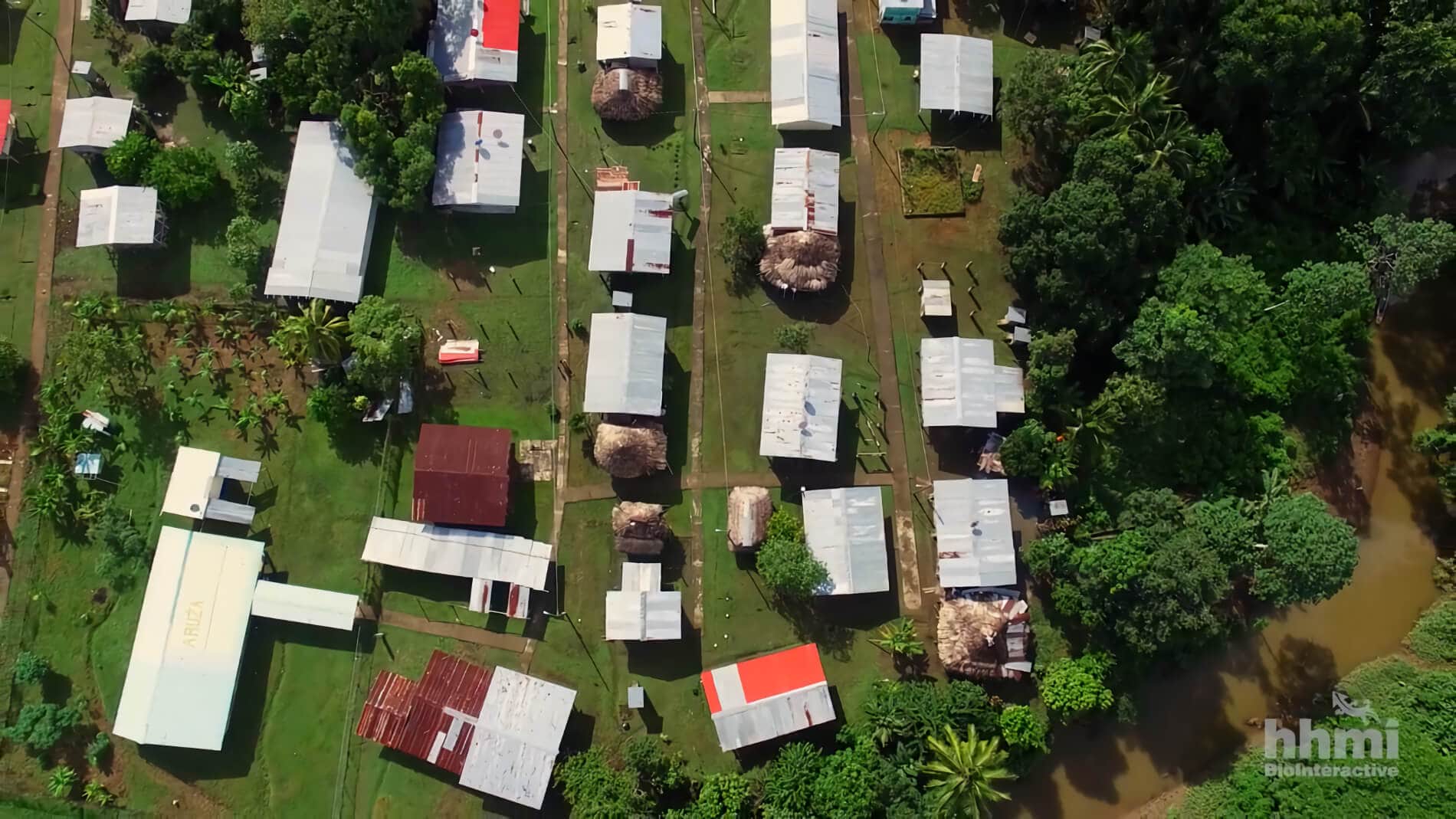
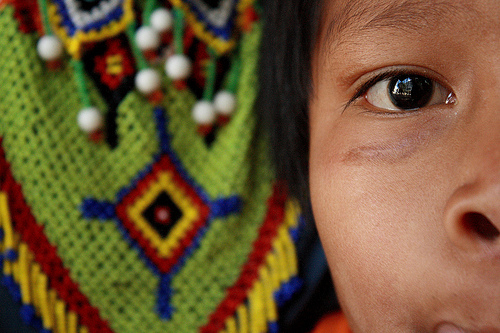
The Emberá peoples are Indigenous communities residing primarily in the dense rainforests of Colombia and Panama. With a population spread across river valleys and remote jungle areas, the Emberá are known for their deep connection to nature and their sustainable practices. Their name means “people” or “human beings” in their own language. Traditionally semi-nomadic, the Emberá live in stilted homes along rivers and rely on fishing, hunting, and subsistence farming. Their culture includes rich oral traditions, vibrant body painting, and skilled craftsmanship, particularly in basketry and carvings.
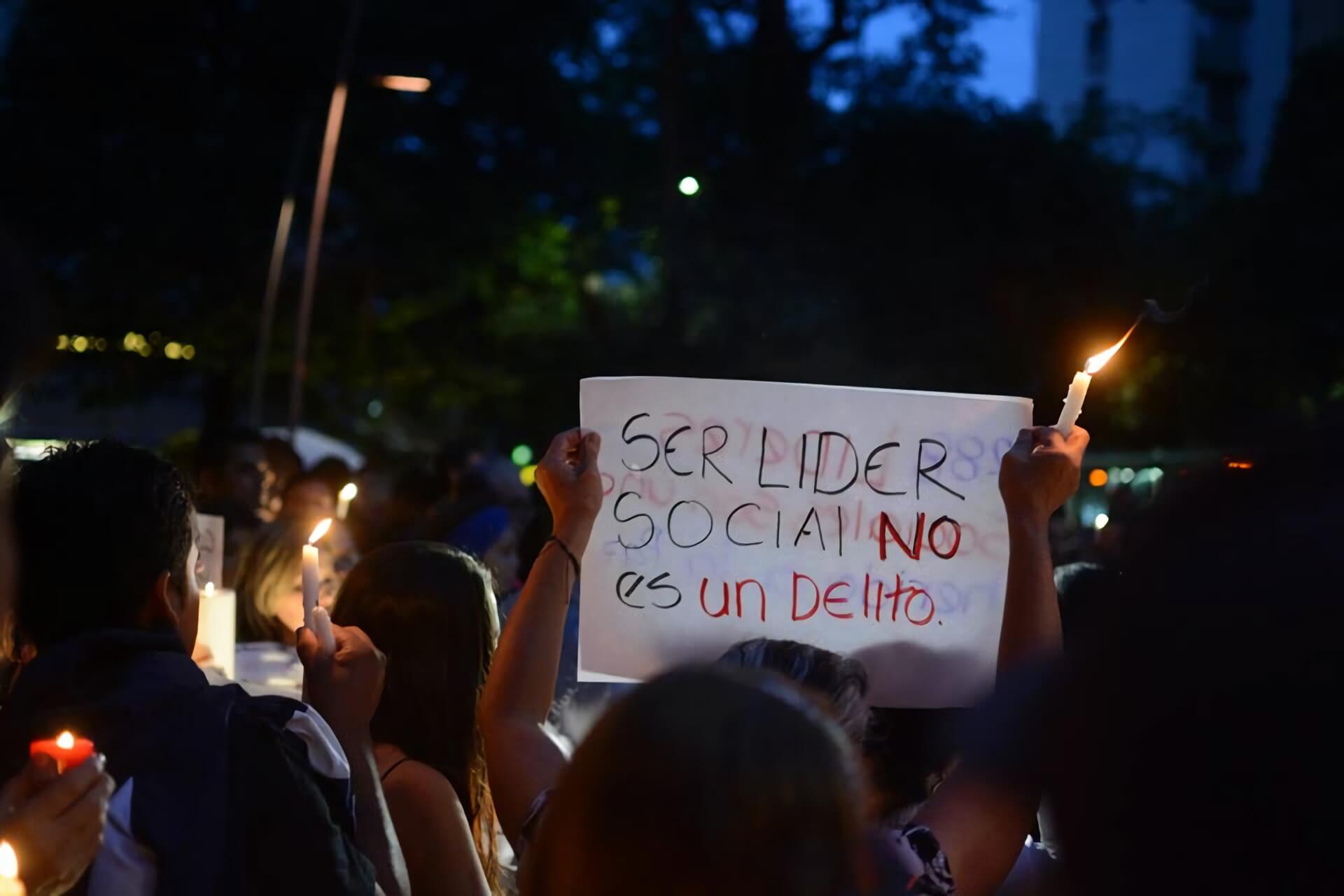
The Emberá face significant threats from deforestation, land grabs, and armed conflict. In Colombia, many Emberá have been displaced by violence related to drug trafficking and paramilitary activity, forcing them to flee their ancestral lands for urban centers where they face poverty and discrimination. In both countries, illegal logging and mining disrupt their ecosystems and sacred sites. The lack of legal recognition for some of their territories further weakens their ability to protect their way of life and maintain their cultural independence.
Despite adversity, the Emberá are becoming powerful voices for environmental conservation and Indigenous rights. Many communities are reviving their language, educating younger generations about traditional knowledge, and engaging in ecotourism that empowers them economically while sharing their culture. Emberá women, in particular, have emerged as leaders in both political activism and cultural education. Their resilience and commitment to living in harmony with nature serve as a model for sustainable living in the 21st century.