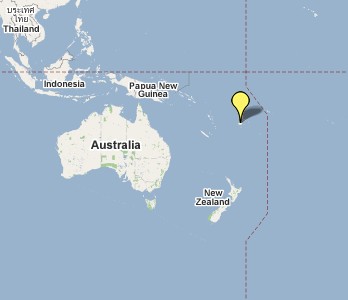
The Fiji Peoples, primarily consisting of Indigenous iTaukei and Indo-Fijians, inhabit the island nation of Fiji in the South Pacific. The iTaukei, the original inhabitants, are of Melanesian descent and are known for their deep cultural ties to land, community, and tradition. Fijian culture is rich in ceremonies, oral storytelling, dance, and traditional crafts like mat weaving and canoe building. Despite centuries of colonial influence, Indigenous Fijians have maintained a strong sense of identity through their communal lifestyle and cultural resilience.
The Fiji Peoples confront a complex array of challenges including climate change, land disputes, and cultural preservation. Rising sea levels and extreme weather events threaten coastal villages, displacing communities and disrupting traditional ways of life. Land ownership issues—especially between Indigenous Fijians and descendants of indentured Indian laborers—continue to pose social and political tensions. Additionally, globalization and urbanization place pressure on younger generations to abandon traditional practices, risking cultural erosion over time.
An inspiring aspect of the Fijian story is their global leadership in climate advocacy and their dedication to community-based solutions. Fiji was the first Pacific Island nation to preside over the UN Climate Conference (COP23), using the platform to amplify the voices of small island states. On a local level, Fijian villages are embracing climate adaptation strategies such as mangrove restoration, sustainable farming, and planned relocation, all while maintaining cultural practices. Their unified response to adversity showcases the power of Indigenous knowledge in fostering resilience and environmental stewardship.