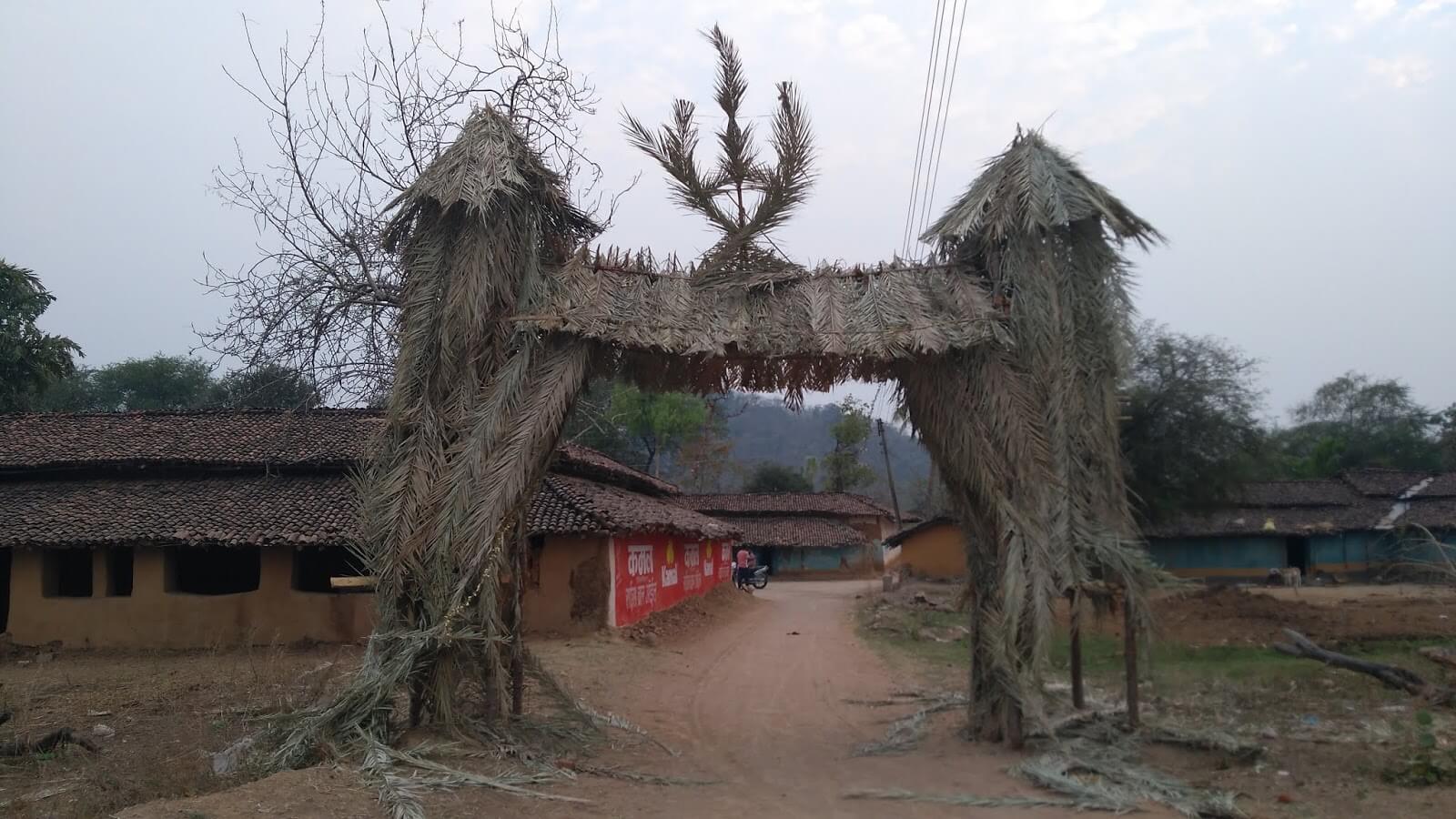
The Gond Peoples are one of the largest Indigenous or Adivasi groups in India, with a population exceeding 10 million. Primarily residing in the central Indian states of Madhya Pradesh, Chhattisgarh, Maharashtra, and Odisha, the Gonds have a rich cultural legacy that includes a distinct language (Gondi), intricate rituals, and vibrant visual art. Their traditional livelihoods revolve around farming, foraging, and forest stewardship, deeply tied to their spiritual connection with nature and ancestral lands.
Despite their deep-rooted heritage, the Gonds face persistent challenges, particularly due to land alienation, deforestation, and industrial development on their traditional territories. Many have been displaced due to mining projects and dam construction, often without adequate compensation or rehabilitation. Furthermore, their language and cultural practices are at risk, with Gondi lacking formal recognition and educational support, leading to decreased intergenerational transmission and identity erosion.
What’s inspiring about the Gond Peoples is their remarkable cultural resilience and creativity. Gond artists have gained international acclaim for their folk-art traditions, which use natural motifs to convey myths, ecology, and daily life. Efforts to revive the Gondi language and script are gaining traction, led by community educators and linguists. Through these initiatives, the Gonds are not only preserving their heritage but also asserting their rights and narratives on local and global stages.