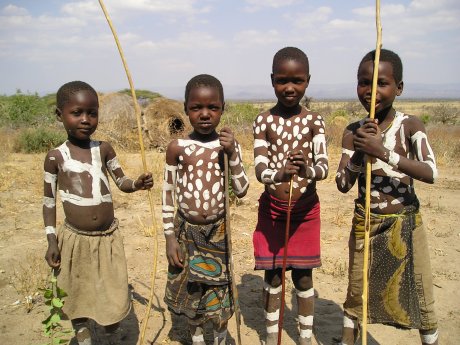
The Hadzabe (also spelled Hadza) are one of the last remaining hunter-gatherer societies in the world, residing near Lake Eyasi in northern Tanzania. Their way of life, believed to be over 40,000 years old, is characterized by deep knowledge of the land, including expert tracking, foraging, and hunting skills. The Hadzabe speak a unique click language and maintain a non-hierarchical social structure, living in small, mobile bands in harmony with nature.
Modern challenges threaten the Hadzabe’s traditional lifestyle. Encroachment by agriculturalists, pastoralists, and commercial tourism has drastically reduced their access to ancestral lands. As land use changes, their food sources and cultural practices are disrupted. In addition, government policies and modernization pressures push for assimilation into sedentary lifestyles, further endangering their language, knowledge systems, and autonomy.
Despite these challenges, the Hadzabe remain resilient stewards of their culture and environment. They have gained global recognition for their sustainable living practices and contributions to ecological knowledge. Some Hadzabe communities have collaborated with NGOs and conservation organizations to secure land rights and promote eco-cultural tourism on their terms. Their ability to maintain ancient traditions while advocating for their rights inspires a broader movement for Indigenous sovereignty and environmental stewardship.