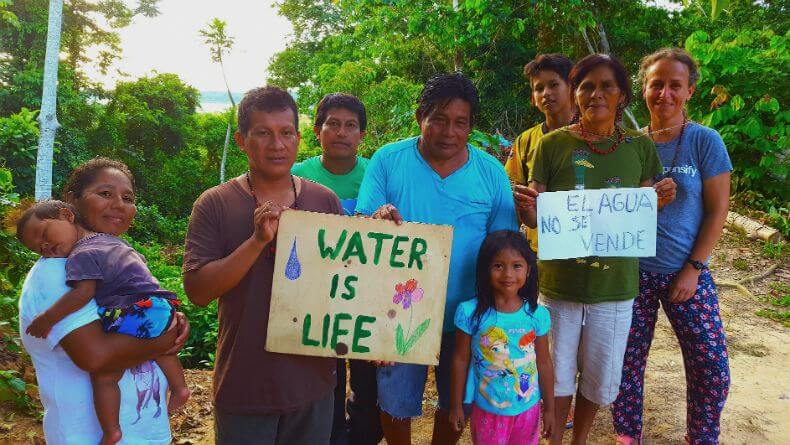
The Harakmbut Peoples are Indigenous inhabitants of the Madre de Dios region in the southeastern Peruvian Amazon. Composed of sub-groups like the Amarakaeri, Huachipaeri, and Arasaeri, the Harakmbut have a deep spiritual and ecological connection to their forested homeland. Their traditional livelihoods include hunting, fishing, and small-scale agriculture, complemented by a profound knowledge of medicinal plants and forest management. The Harakmbut language is part of a unique linguistic family, and oral tradition remains vital in preserving their history and cosmology.
The Harakmbut face serious challenges from illegal gold mining, logging, and oil exploration, which not only degrade the environment but also threaten their cultural survival. Toxic mercury contamination from mining has polluted rivers and fish stocks, jeopardizing both health and food security. Additionally, the influx of outsiders into their territories disrupts traditional life and increases vulnerability to disease and displacement. Despite legal protections such as communal land titles, enforcement remains weak, leaving the Harakmbut constantly battling to defend their rights and resources.
A powerful symbol of the Harakmbut’s resilience is the Amarakaeri Communal Reserve, co-managed by the Amarakaeri subgroup and the Peruvian government. This innovative conservation initiative protects over 400,000 hectares of biodiverse rainforest while respecting Indigenous governance and traditional knowledge. The Harakmbut’s leadership in this project has become a model for sustainable forest stewardship and Indigenous-led conservation globally. Their commitment to preserving both their culture and the environment showcases their role as defenders of the Amazon and climate resilience.