The Herero Peoples are an Indigenous group primarily located in Namibia, with smaller communities in Botswana and Angola. They are traditionally pastoralists, known for their cattle-herding culture and distinctive Victorian-influenced dress, which was adapted during German colonial rule. Their language, Otjiherero, is part of the Bantu family, and their deep spiritual and ancestral ties to the land shape much of their cultural identity and practices. The Herero have a long history of resilience and resistance in the face of colonization and displacement.
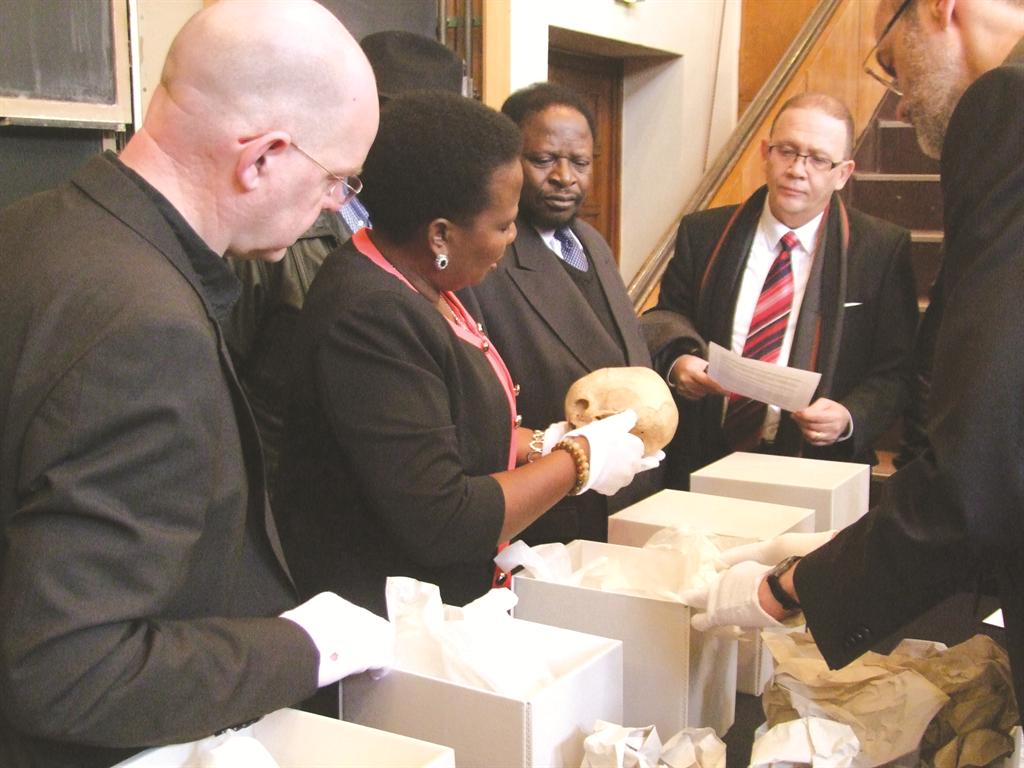
The Herero people endured one of the earliest genocides of the 20th century when German colonial forces massacred tens of thousands between 1904 and 1908 during the Herero and Namaqua genocide. Despite this atrocity, they have struggled for over a century for official recognition, reparations, and the return of ancestral remains. The impacts of land dispossession, poverty, and systemic inequality continue to affect Herero communities today, particularly in terms of access to education, healthcare, and economic opportunity.
One of the most inspiring aspects of the Herero people is their unyielding commitment to cultural preservation and international advocacy. Each year, the Herero Day commemoration in Okahandja honors their ancestors and reinforces cultural pride. Leaders from the Herero community continue to speak out on international platforms, pressing Germany for justice and reparations. Their ability to maintain cultural traditions, language, and identity, while engaging in diplomatic efforts for historical accountability, showcases a powerful blend of resilience, dignity, and hope.