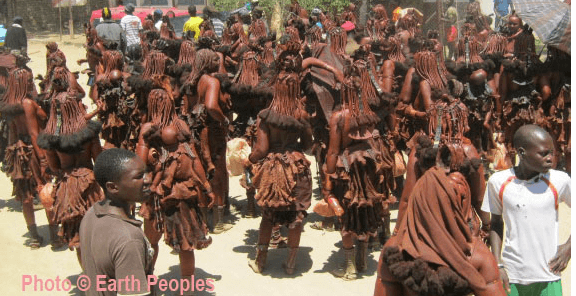
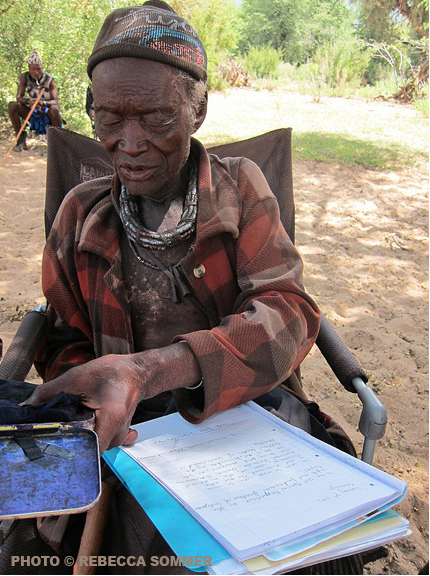
The Himba Peoples are an Indigenous ethnic group primarily residing in the arid Kunene Region of northwestern Namibia. Known for their distinctive red-ochre body adornment and intricate hairstyles, the Himba are semi-nomadic pastoralists who rely heavily on cattle herding as both an economic and cultural cornerstone. Their traditions are deeply rooted in ancestral worship and communal living, with social life centered around the okuruwo (ancestral fire). Despite increasing exposure to modern influences, the Himba have remained resilient in preserving their language, dress, and rituals.
The Himba face mounting challenges due to prolonged droughts exacerbated by climate change, which threaten their livestock and way of life. Water scarcity and environmental degradation have intensified food insecurity and health risks within their communities. Additionally, large-scale development projects—including dam construction and tourism ventures—have encroached on traditional lands without proper consultation or consent, raising concerns over Indigenous land rights and cultural erosion. Access to healthcare, education, and legal representation also remains limited in many Himba settlements.
What stands out most about the Himba is their steadfast dedication to cultural preservation in the face of modern pressures. The community has become an international symbol of Indigenous pride, drawing attention to the importance of safeguarding traditional knowledge and sustainable practices. Himba women, in particular, play a central role in maintaining cultural identity through craftsmanship, storytelling, and community leadership. Their ability to navigate contemporary challenges while upholding ancestral values is a profound source of inspiration for Indigenous and non-Indigenous communities alike.