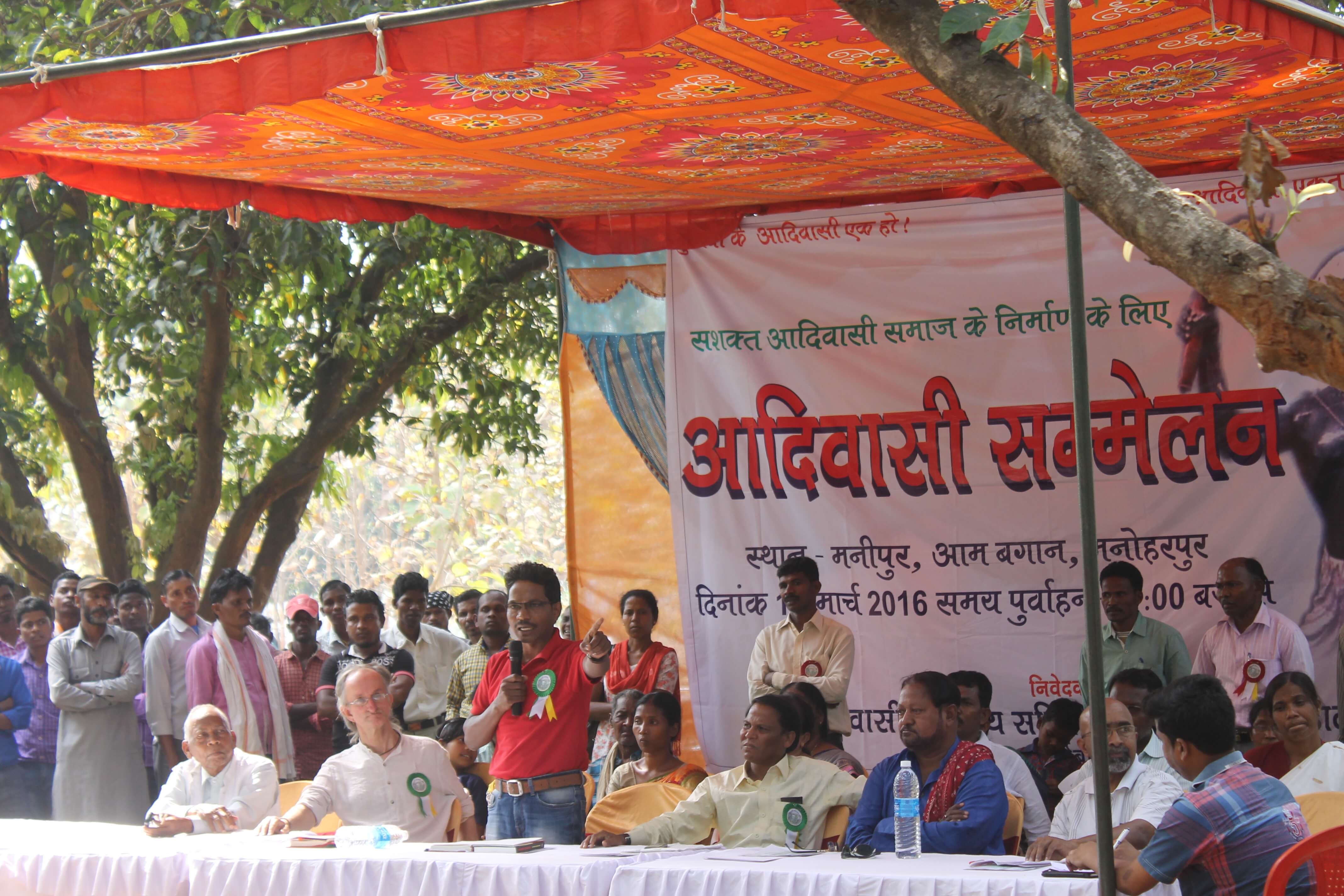
The Ho Peoples are an Indigenous Adivasi group primarily residing in the Indian states of Jharkhand, Odisha, and West Bengal. They speak the Ho language, which belongs to the Munda branch of the Austroasiatic language family, and are known for their close-knit clan systems, agricultural lifestyle, and deep spiritual connection to the land. The Ho community maintains rich cultural traditions, including dance forms like Chhau, traditional music, and seasonal festivals that celebrate nature and ancestral spirits.
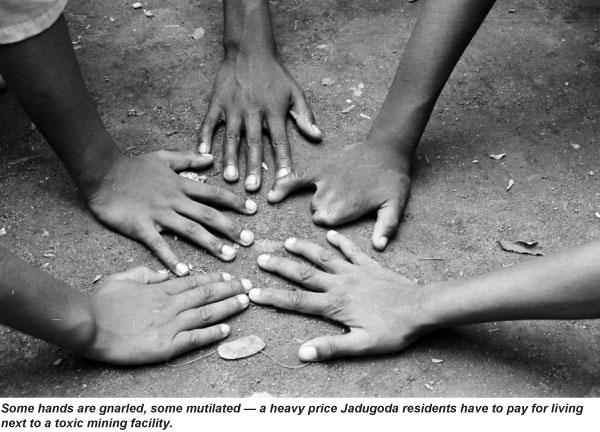
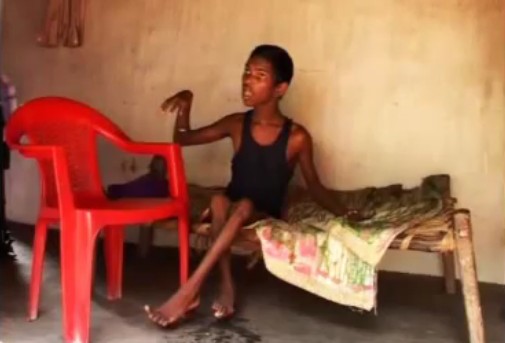
The Ho Peoples face persistent challenges due to systemic marginalization, land alienation, and inadequate access to education and healthcare. Many have been displaced by mining and industrial projects in mineral-rich regions of Jharkhand and Odisha, often without fair compensation. Their traditional lands and forests are under constant threat, and bureaucratic hurdles prevent effective implementation of Indigenous land rights. Additionally, cultural assimilation pressures and lack of political representation have made it difficult for the Ho to sustain their language and customs in the face of modern development.
Inspiringly, the Ho Peoples are actively working to preserve their language and cultural identity. Community-led efforts to incorporate the Ho language into school curriculums have gained momentum, promoting literacy in their mother tongue. Moreover, Ho activists and elders have taken a stand in environmental movements, advocating for the protection of forests and natural resources. Their unwavering commitment to land stewardship and cultural pride continues to empower the younger generation and reinforce the global significance of Indigenous wisdom.