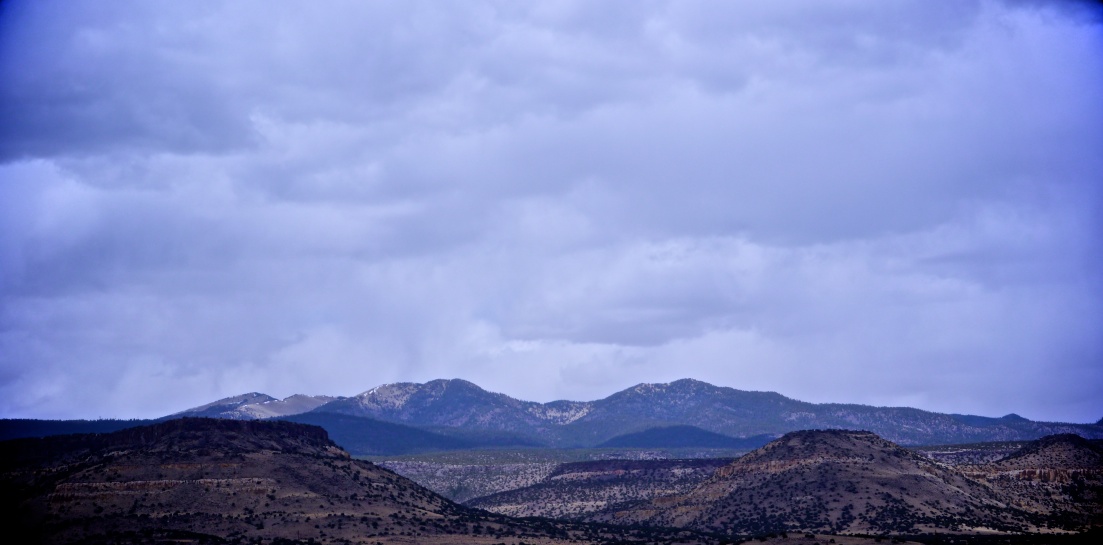
The Hopi Peoples are a Native American nation primarily residing in northeastern Arizona, within the boundaries of the Hopi Reservation. Descendants of the Ancestral Puebloans, the Hopi have lived in the arid mesas of the region for over a thousand years. Renowned for their deep spiritual traditions, intricate ceremonial calendars, and sophisticated agricultural techniques, the Hopi maintain one of the oldest continuously inhabited settlements in North America, such as the village of Oraibi. Their culture emphasizes balance, harmony, and respect for all life.
The Hopi face several pressing challenges, including water scarcity, land disputes, and cultural erosion. Climate change has intensified drought conditions, threatening their traditional dry-farming techniques and food sovereignty. Legal and political battles over water rights, particularly with neighboring tribes and municipalities, complicate their access to this essential resource. Meanwhile, pressures from modernization and youth migration pose threats to the transmission of Hopi language and cultural knowledge. The legacy of colonization, including boarding schools and land reduction, continues to impact community well-being.
What is most inspiring about the Hopi is their unwavering commitment to preserving their cultural identity and living in accordance with their spiritual teachings. The Hopi maintain a strong traditional governance system based on village leadership and consensus, separate from the federal tribal government. Their agricultural resilience—especially their ability to cultivate corn and beans in extremely dry conditions—is a powerful symbol of adaptation and sustainability. Through cultural revitalization programs, language education, and ceremonial life, the Hopi continue to inspire global respect for Indigenous wisdom and environmental stewardship.