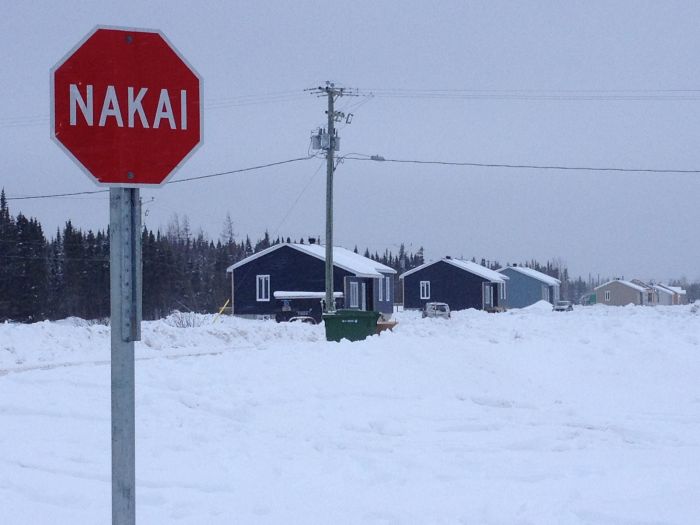
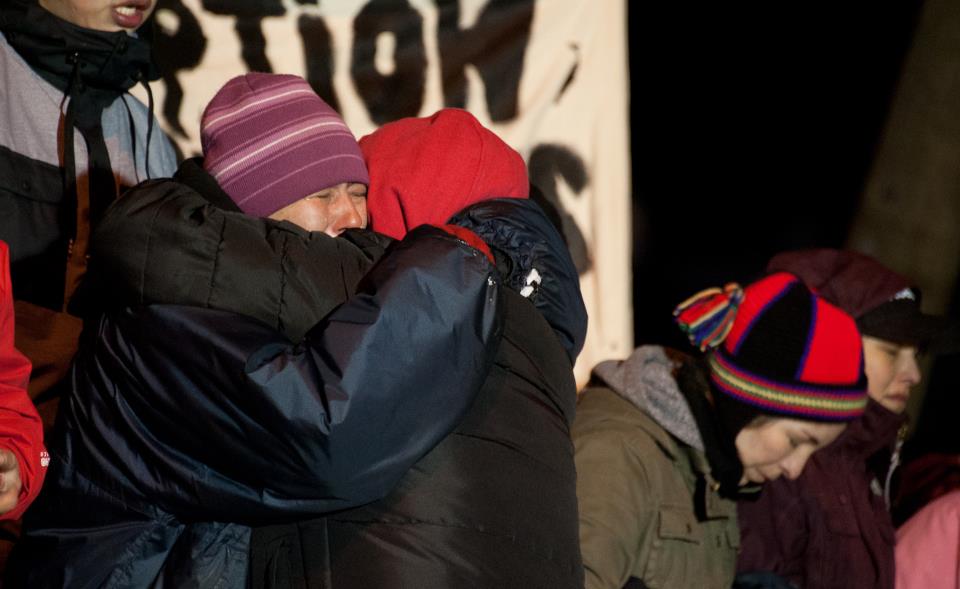
The Innu Peoples are Indigenous inhabitants of northeastern Canada, primarily living in the provinces of Quebec and Labrador. They are not to be confused with the Inuit, as the Innu have a distinct language (Innu-aimun), culture, and history. Traditionally nomadic, the Innu lived by hunting, fishing, and gathering across their ancestral territory known as Nitassinan. Their way of life is deeply tied to the land, with caribou hunting forming a central part of their spiritual and physical sustenance.
The Innu have endured numerous challenges stemming from colonization, forced relocation, and environmental degradation. In the mid-20th century, many Innu communities were compelled to settle permanently in towns, disrupting traditional lifeways. Hydroelectric dam projects, mining, and logging on their lands have led to ecological destruction and loss of access to vital hunting grounds. Additionally, systemic inequalities—such as lack of access to healthcare, clean water, and education—continue to affect Innu well-being and self-determination.
Despite these hardships, the Innu Peoples have demonstrated extraordinary resilience and cultural revitalization. They have actively worked to preserve their language and pass down traditional knowledge to younger generations. Innu leaders and activists continue to fight for land rights and environmental protection, advocating for a return to sustainable, land-based practices. Their efforts to maintain cultural identity while navigating modern challenges serve as a powerful testament to Indigenous strength and perseverance.