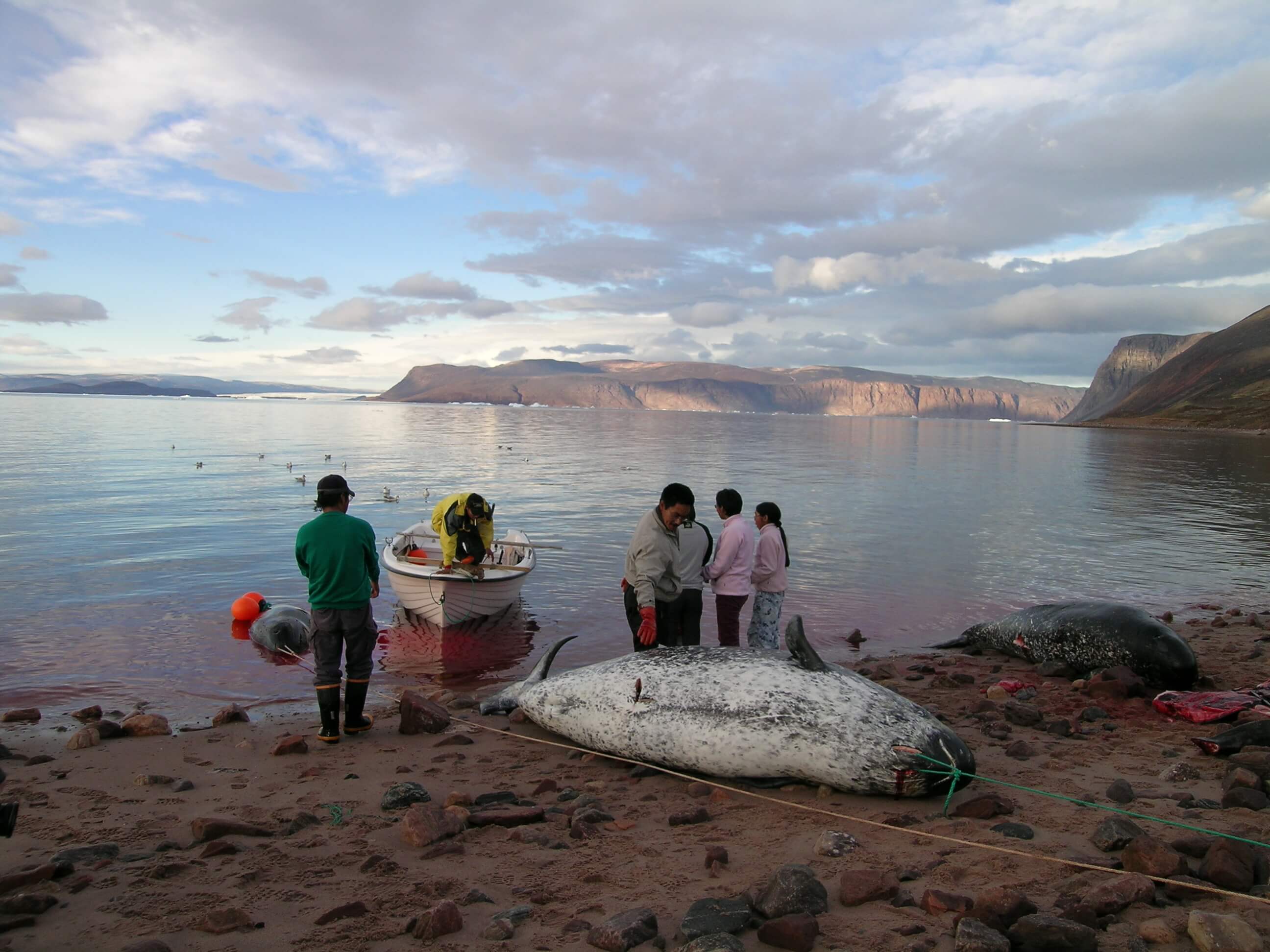
The Inuit Peoples are Indigenous inhabitants of the Arctic regions of Canada, Greenland, Alaska (USA), and Chukotka (Russia). Traditionally, they are expert hunters, fishers, and navigators, thriving in some of the harshest climates on Earth. Their culture is deeply rooted in the environment, with traditions centered on respect for the land, sea, and animals. The Inuit speak several dialects of the Inuit languages, such as Inuktitut and Inuinnaqtun, which reflect their close relationship with the natural world.
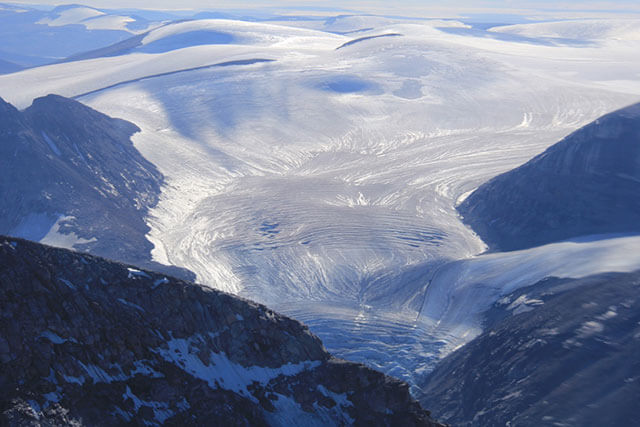
The Inuit face significant challenges today, primarily due to climate change, colonial legacies, and systemic inequality. Melting sea ice threatens traditional hunting practices and disrupts ecosystems that have supported Inuit life for generations. Additionally, historical injustices—such as forced relocations, residential schools, and the suppression of language and culture—continue to affect mental health and community cohesion. Access to healthcare, housing, and education also remains inadequate in many Inuit regions.
One of the most inspiring aspects of the Inuit story is their role as global advocates for climate justice. Leaders such as Sheila Watt-Cloutier have brought international attention to how climate change disproportionately impacts Indigenous Arctic communities. At the same time, there is a vibrant resurgence of Inuit culture, language revitalization, and youth empowerment. Through resilience and leadership, the Inuit Peoples are shaping both Indigenous futures and global environmental discourse.