The Inupiat are an Indigenous people of northern and northwestern Alaska, part of the larger Inuit cultural group. Their name means “real people” in their native language, Inupiaq. The Inupiat have lived along Alaska’s Arctic and sub-Arctic coasts for thousands of years, thriving in a harsh environment through sustainable hunting of marine and land animals like whales, seals, and caribou. Their rich cultural traditions—such as drumming, storytelling, and subsistence practices—are deeply rooted in respect for the land and interconnectedness with nature.
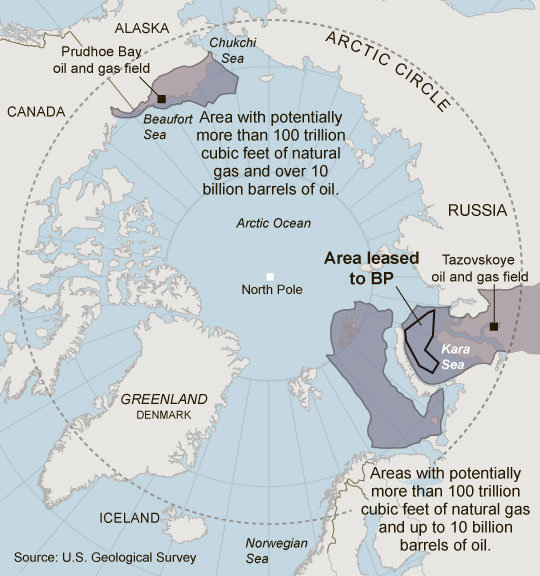
Today, the Inupiat face serious challenges from climate change, environmental degradation, and cultural erosion. Melting sea ice affects their traditional hunting practices and threatens coastal villages with rising sea levels and erosion. Additionally, industrial activities like oil drilling in the Arctic pose risks to their environment and food sources. The Inupiat also navigate issues of youth disconnection from ancestral knowledge, mental health disparities, and the need for greater self-determination within state and federal systems.
Despite these challenges, the Inupiat are emerging as global leaders in climate resilience and environmental stewardship. They are combining traditional ecological knowledge with science to monitor Arctic changes and advocate for responsible policy. Inupiat communities have created culturally grounded education programs and sustainable development initiatives that center Indigenous voices. Their commitment to safeguarding both their heritage and the future of the planet stands as a powerful example of Indigenous innovation and leadership.