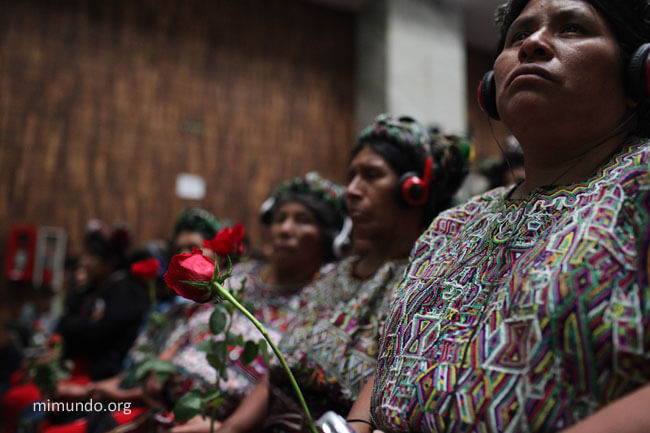
The Ixil peoples are an Indigenous Maya group residing primarily in the highland region of El Quiché, Guatemala, especially in the towns of Nebaj, Chajul, and Cotzal. They speak the Ixil language, part of the Mayan language family, and maintain strong cultural traditions tied to agriculture, communal life, and spiritual practices. Their vibrant woven textiles, traditional clothing, and agricultural knowledge reflect a deep connection to their ancestors and the land they inhabit in the Cuchumatanes mountains.
The Ixil suffered immensely during the Guatemalan Civil War (1960–1996), particularly under military regimes that targeted Indigenous communities. During the 1980s, the Ixil region experienced what human rights organizations have termed genocide, with thousands of civilians killed and displaced. Today, the Ixil continue to face systemic inequality, land dispossession, and lack of access to education and healthcare. Their efforts to seek justice for wartime atrocities have been met with both legal victories and ongoing threats.
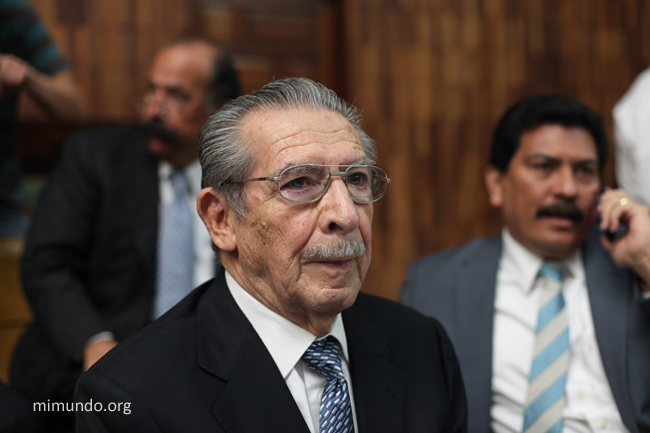
What is truly inspiring about the Ixil peoples is their unwavering resilience and advocacy for human rights and justice. Survivors have led efforts to document crimes committed during the civil war, resulting in landmark trials, including the conviction of former dictator Efraín Ríos Montt for genocide against the Ixil. Despite past trauma, the community is revitalizing its language, traditions, and governance structures. Their courage in facing adversity and commitment to cultural preservation make them powerful symbols of Indigenous strength and perseverance.