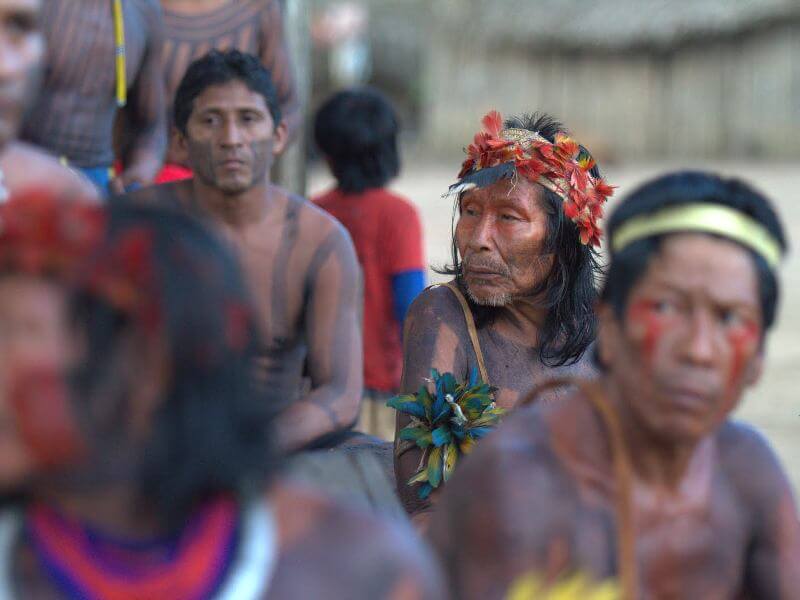
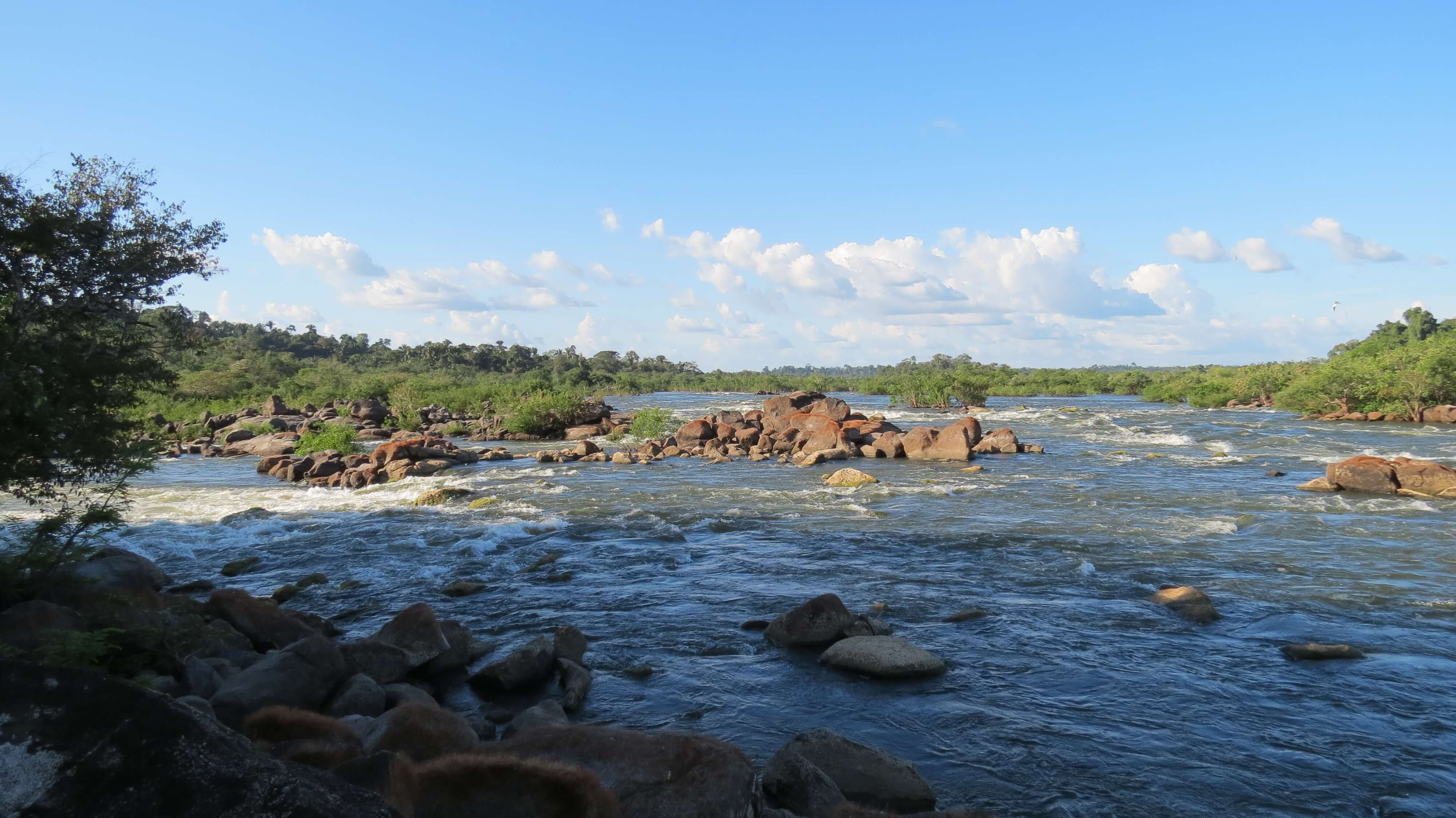
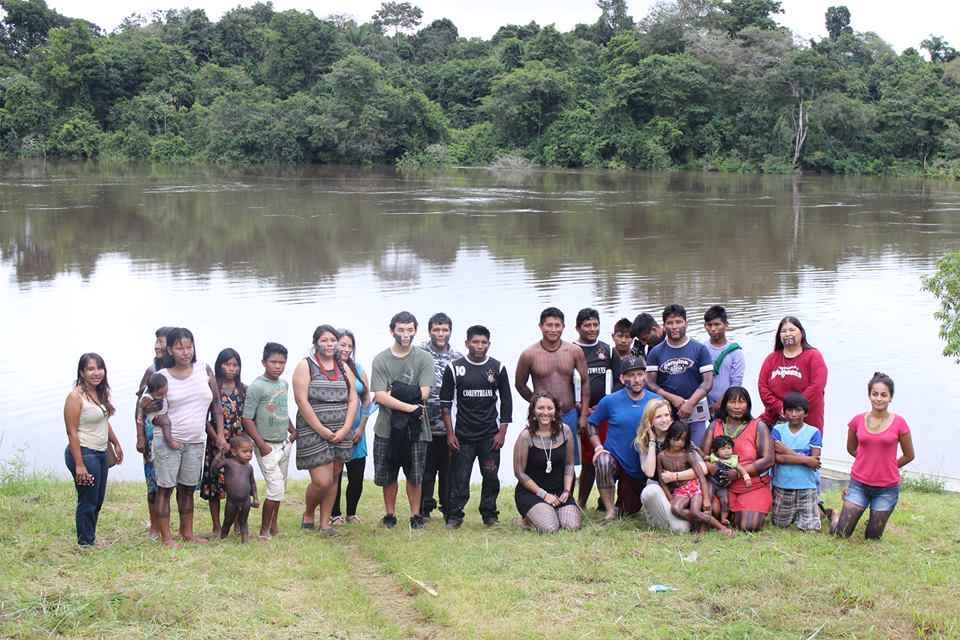
The Juruna peoples, also known as Yudjá, are Indigenous inhabitants of the Xingu River Basin in Brazil’s Amazon region. Known for their deep connection to the waterways and rainforests, the Juruna have traditionally lived through fishing, agriculture, and forest gathering. They are part of the larger cultural mosaic of the Xingu Indigenous Park and speak the Yudjá language, a member of the Tupian language family. Their identity is closely tied to the river systems that sustain both their livelihoods and spiritual traditions.
The Juruna have faced major challenges due to environmental degradation and infrastructural development, particularly the construction of large hydroelectric dams like the Belo Monte Dam. These projects have disrupted fish populations, flooded ancestral lands, and altered the ecosystem of the Xingu River, directly impacting their food security and traditional ways of life. Additionally, ongoing illegal logging, mining, and the weakening of Indigenous rights protections in Brazil continue to threaten their sovereignty and cultural survival.
Despite these challenges, the Juruna have shown remarkable strength by actively resisting environmental injustice and defending their territory. They have partnered with national and international organizations to hold corporations and the government accountable through legal battles and environmental monitoring. Moreover, they are revitalizing their language and culture through education and intergenerational knowledge-sharing, ensuring that future generations continue to honor and protect their sacred lands and way of life.