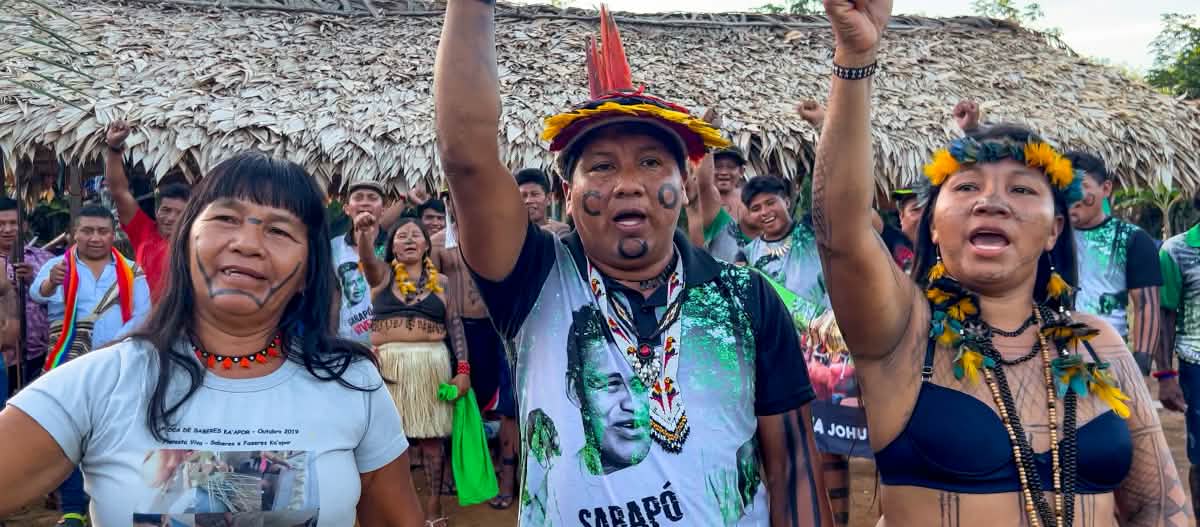
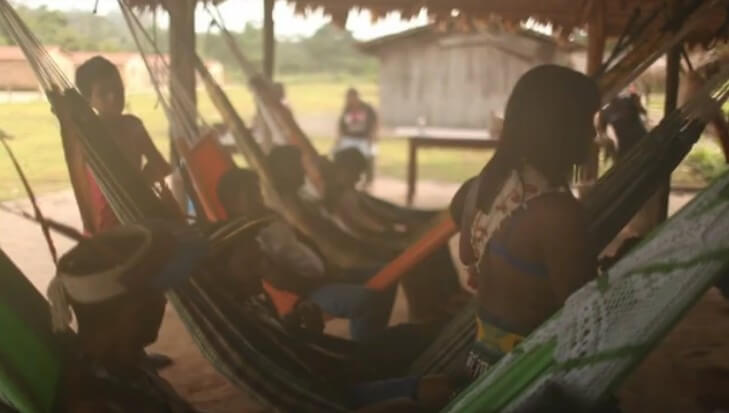
The Ka’apor peoples are an Indigenous group living in the northeast region of the Brazilian state of Maranhão. Traditionally semi-nomadic, the Ka’apor maintain deep spiritual and ecological connections with the Amazon rainforest, which is central to their subsistence and cultural identity. Their name means “forest people,” and they have long been known for their intimate knowledge of Amazonian biodiversity, as well as their commitment to preserving the natural world through sustainable living and community governance.
The Ka’apor face intense pressure from illegal logging operations, land grabbing, and deforestation, which threaten both their territory and way of life. Despite having legal rights to the Alto Turiaçu Indigenous Territory, weak enforcement allows outsiders to extract resources with impunity. They also face challenges such as violence, threats against leaders, poor access to healthcare, and limited educational support. Environmental degradation directly impacts their ability to hunt, gather, and practice traditional medicine, exacerbating food insecurity and cultural loss.
In an inspiring show of self-determination, the Ka’apor have taken bold steps to defend their land. They organized autonomous forest patrols to expel illegal loggers and monitor environmental crimes, often risking their lives in the process. They also promote Indigenous-led conservation by planting native trees, practicing agroforestry, and sharing ecological knowledge. Their efforts have gained international recognition, positioning the Ka’apor as global symbols of grassroots environmental resistance and stewards of Earth’s most vital ecosystems.