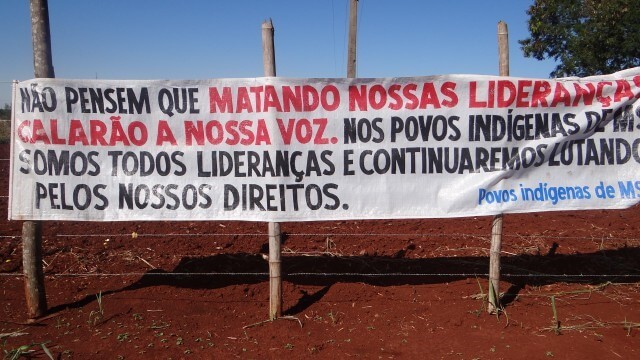
The Kaiowá Peoples, often referred to alongside the Guarani as Guarani-Kaiowá, are one of the largest Indigenous groups in Brazil, primarily residing in the state of Mato Grosso do Sul. They are part of the broader Guarani cultural family and have a deep spiritual connection to the land, which they consider sacred. Their traditions include storytelling, shamanic practices, and close-knit community life centered around respect for nature and ancestral wisdom.
The Kaiowá face severe challenges due to land dispossession, deforestation, and agribusiness expansion. Much of their traditional territory has been taken over for soybean farming and cattle ranching, leading to forced displacement and poverty. These struggles have escalated to the point of international concern, with many Kaiowá communities experiencing violence, suicide crises, and lack of access to basic services. Their fight for land demarcation and legal recognition remains a central and ongoing struggle.
Despite these hardships, the Kaiowá peoples have become a powerful symbol of resistance and cultural resilience. Through peaceful protest, global advocacy, and the revitalization of their language and traditions, they continue to assert their identity and rights. The Kaiowá youth, in particular, are emerging as cultural leaders—reviving traditional songs, ceremonies, and ecological knowledge, showing that even in the face of systemic oppression, the spirit of the Kaiowá endures with strength and hope.