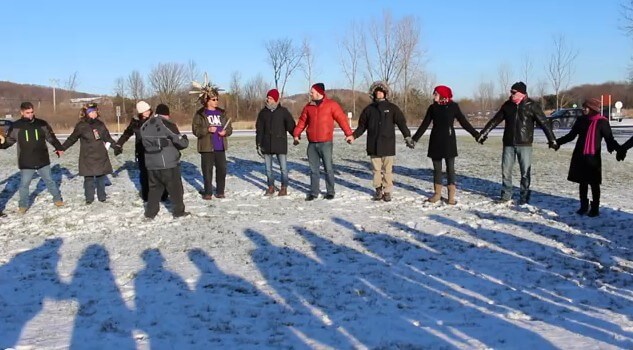
The Kanien’kehá:ka Peoples, also known as the Mohawk Nation, are one of the six nations of the Haudenosaunee Confederacy and are traditionally known as the “Keepers of the Eastern Door.” Their territory spans parts of what is now New York State and southeastern Canada, including Ontario and Quebec. The Kanien’kehá:ka have a long-standing cultural tradition rooted in clan systems, consensus-based governance, and a profound spiritual connection to the land, which continues to guide their community practices and worldview.
The Kanien’kehá:ka face ongoing challenges related to land dispossession, jurisdictional disputes, and systemic racism. Conflicts over land rights—such as the Oka Crisis in 1990—have spotlighted their resistance against encroachment and unjust development. In addition, residential school legacies and government-imposed policies have contributed to language loss, intergenerational trauma, and economic disparities. Despite these obstacles, the community continues to fight for self-governance, legal recognition, and cultural revitalization.
What is deeply inspiring about the Kanien’kehá:ka is their unwavering commitment to cultural preservation and Indigenous leadership. They have been at the forefront of efforts to protect Indigenous sovereignty, reinvigorate their language (Kanien’kéha), and pass on traditional ecological knowledge. From establishing immersion schools to asserting their presence in legal and political arenas, the Kanien’kehá:ka embody resilience, inspiring Indigenous movements across Turtle Island and beyond with their strength and determination.