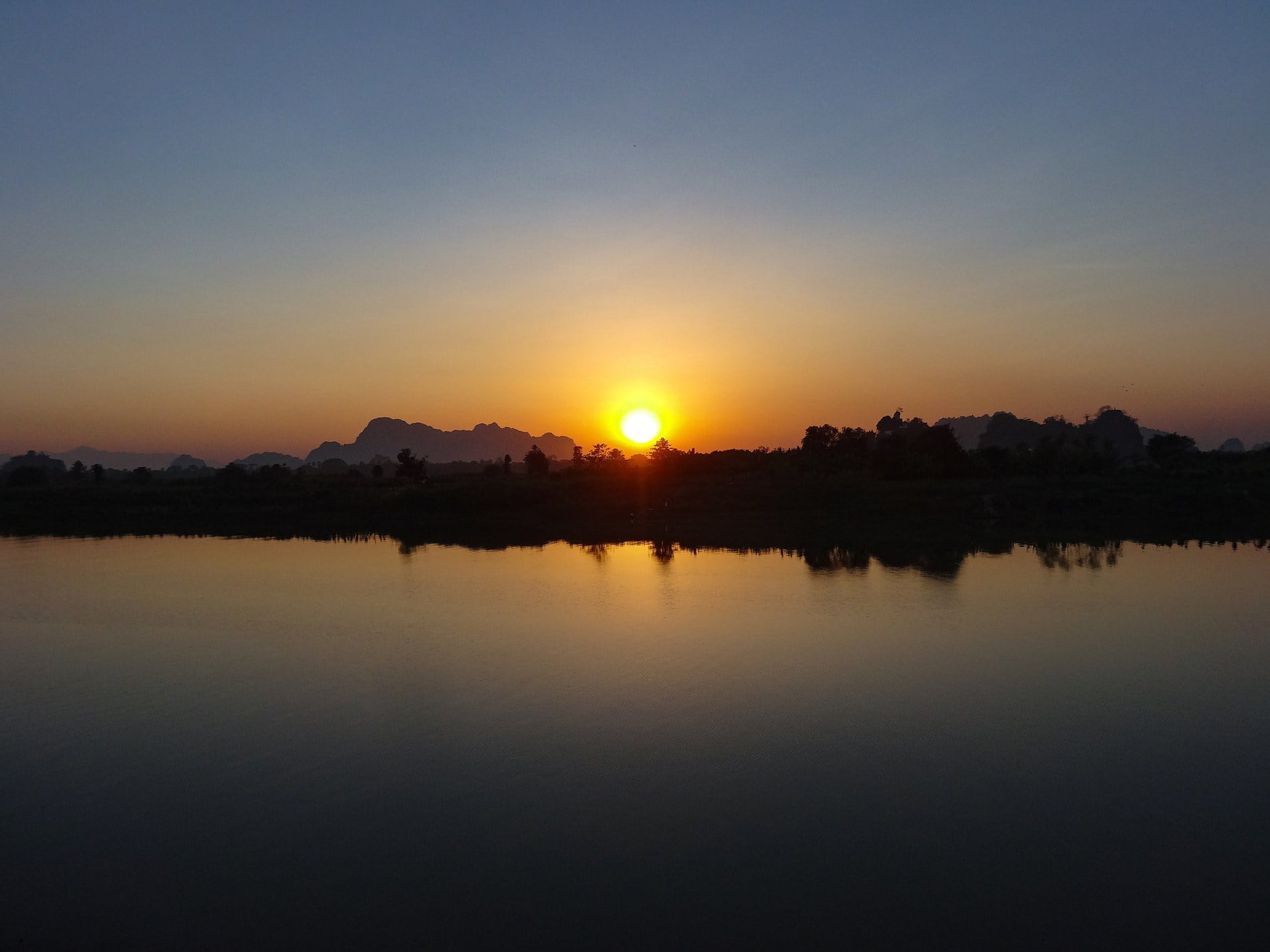
The Karen Peoples are an Indigenous ethnolinguistic group primarily living in the mountainous border regions of Myanmar (Burma) and Thailand. With a population of several million, they comprise multiple subgroups, including the Sgaw, Pwo, and Kayah (Karenni), each with distinct dialects and traditions. Historically forest-dwelling and reliant on rotational farming, the Karen have preserved rich cultural customs such as animist beliefs, weaving, music, and oral storytelling. Many Karen also practice Buddhism or Christianity, reflecting centuries of spiritual diversity and resilience.
For decades, the Karen Peoples have faced systemic discrimination, military violence, and forced displacement—particularly in Myanmar, where a long-running civil war has devastated Karen communities. Thousands have fled to refugee camps in Thailand or become internally displaced, lacking access to education, healthcare, and secure land tenure. Efforts to protect ancestral territories are often undermined by logging, land grabs, and development projects that ignore Indigenous rights. In Thailand, many Karen lack official citizenship, further limiting access to public services and legal protection.
Despite these immense challenges, the Karen Peoples continue to lead global movements for Indigenous rights and environmental protection. They have established community forests, eco-villages, and grassroots organizations advocating for peace, land rights, and cultural survival. Karen youth are also using education and digital media to document their traditions and amplify their voices worldwide. Their ability to merge ancestral knowledge with contemporary activism offers a powerful example of Indigenous leadership, sustainability, and cultural pride in the modern era.