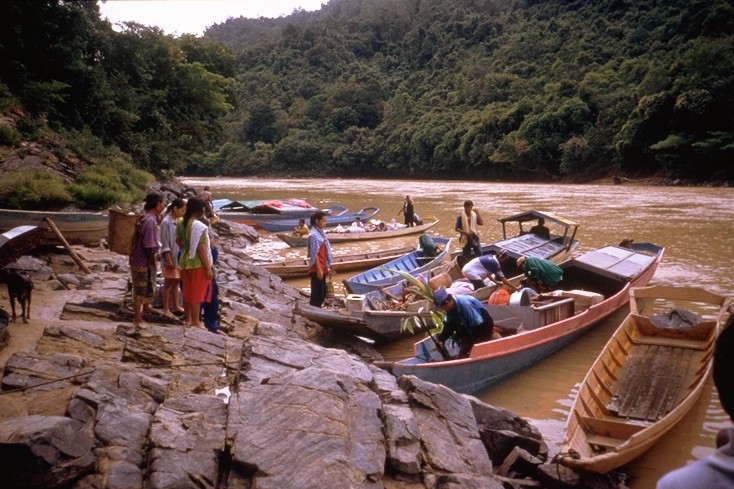
The Kayan Peoples are an Indigenous ethnic group primarily residing in Myanmar (Burma), with communities also found in northern Thailand due to historical displacement. One of the most recognizable subgroups is the Kayan Lahwi, often referred to as the “long-neck women” due to their traditional custom of wearing brass neck rings. The Kayan have a rich cultural heritage that includes weaving, farming, and animist spiritual beliefs, alongside influences from Buddhism. Their oral traditions, ceremonial music, and vibrant attire contribute to their distinctive identity in the region.
The Kayan face several modern challenges, the most pressing being forced displacement and refugee status due to decades of armed conflict in Myanmar. Many Kayan fled to Thailand, where they live in refugee camps or “cultural villages,” sometimes subjected to tourism that commodifies their identity. Issues of citizenship, limited access to education, and economic insecurity persist, especially for those lacking legal recognition. Their traditions are at risk of being misunderstood or exploited, with cultural practices often showcased for profit without community empowerment or fair compensation.
Despite these obstacles, the Kayan people have demonstrated remarkable cultural resilience and adaptability. Many Kayan women are using their weaving skills to run sustainable businesses, while younger generations are engaging in education and digital platforms to reclaim their narrative. In Thailand and Myanmar, Kayan-led organizations are advocating for rights, heritage preservation, and ethical tourism. Their ability to maintain dignity, share their culture on their own terms, and advocate for justice makes the Kayan a truly inspiring example of Indigenous perseverance and pride.