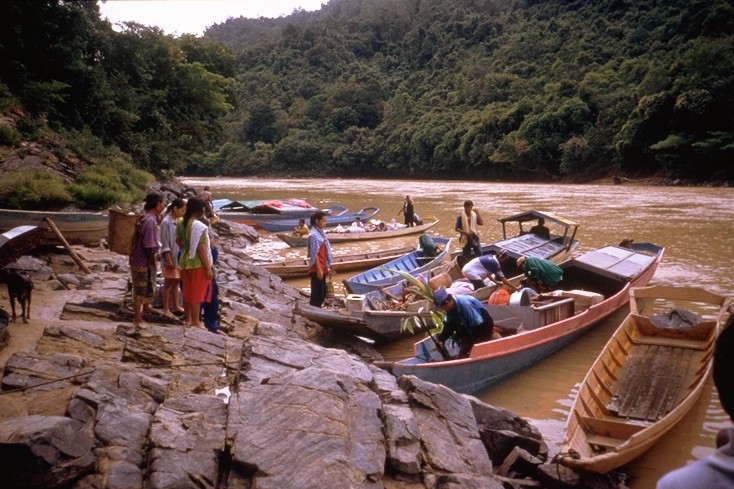
The Kenyah Peoples are an Indigenous group primarily found in the interior regions of Sarawak, Malaysia, and East Kalimantan, Indonesia. Part of the larger Dayak family, the Kenyah are traditionally settled in longhouses along rivers in remote rainforest areas. They have a deep-rooted culture reflected in their music, dance, storytelling, and elaborate body art, including intricate tattoos and stretched earlobes. Their traditional livelihoods are based on swidden agriculture, hunting, fishing, and forest gathering, and their spiritual worldview maintains a strong connection to nature and ancestral spirits.
The Kenyah face serious challenges due to deforestation, resource extraction, and cultural assimilation. Logging and palm oil plantations have led to environmental degradation and displacement from ancestral lands, disrupting their self-sufficient lifestyle. Additionally, modernization pressures and lack of access to quality education and healthcare in remote areas contribute to the erosion of traditional knowledge and language. The push for development projects, such as hydroelectric dams, has further threatened their communities with displacement and loss of biodiversity.
Despite these threats, the Kenyah have become leaders in cultural revitalization and environmental advocacy. Many communities are working to preserve their language and traditions through local education initiatives, cultural festivals, and digital documentation. Artists and elders are teaching younger generations traditional crafts, music (notably the sape, a stringed instrument), and oral histories. Kenyah activists have also played key roles in Indigenous rights movements and forest conservation campaigns across Borneo, proving their resilience and inspiring global audiences with their commitment to protecting their heritage and the rainforest they call home.