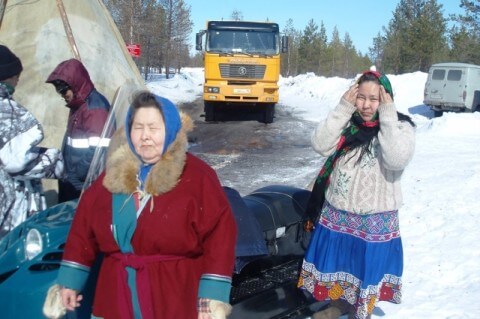
The Khanty, an Indigenous Finno-Ugric community native to western Siberia, primarily reside in the Khanty-Mansi Autonomous Okrug within Russia. Their traditional territory spans the vast, forested wetlands of the Ob and Irtysh river basins—one of the richest oil-producing regions in the world. The Khanty have maintained a deeply spiritual relationship with their environment, rooted in animistic belief systems, seasonal reindeer herding, fishing, and hunting. Their oral histories and customs, passed down for centuries, reflect a harmonious coexistence with the taiga’s fragile ecosystems.
The Khanty face significant challenges due to industrial expansion, particularly oil and gas extraction on their ancestral lands. Beginning in the Soviet era and accelerating under modern Russia’s energy sector, large-scale development has led to environmental degradation, pollution of water sources, and disruption of migratory routes for reindeer. Legal protections for Indigenous land tenure are weakly enforced, and many Khanty are pushed into cultural assimilation through education policies that sideline their language and traditional knowledge. Reports from international human rights monitors, including the UN Special Rapporteur on the Rights of Indigenous Peoples, have highlighted the risks of cultural extinction if these pressures persist unchecked.
Despite these obstacles, the Khanty have demonstrated extraordinary resilience in preserving their cultural identity and environmental ethics. Efforts to revitalize the Khanty language, conduct ceremonies on sacred sites, and teach traditional ecological knowledge to younger generations are growing, often supported by community-led initiatives and Indigenous rights organizations. Notably, Khanty activists and scholars have engaged with international forums such as the Arctic Council and UNESCO to advocate for Indigenous sovereignty and environmental stewardship. Their continued resistance against cultural erasure stands as a powerful testament to the enduring strength of Indigenous wisdom in the face of globalized exploitation.