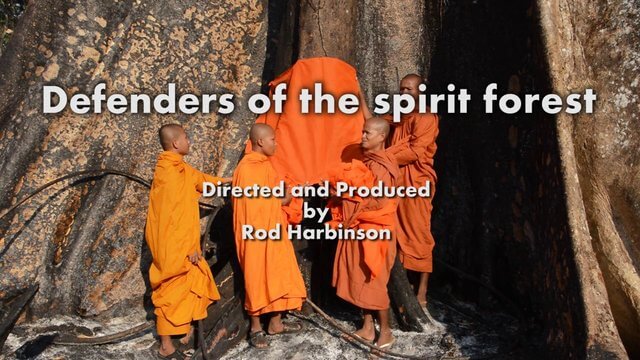
The Khmer, the dominant Indigenous ethnicity of Cambodia, trace their heritage to the powerful Angkor civilization that flourished from the 9th to 15th centuries. Known for monumental architecture such as Angkor Wat—the largest religious structure on Earth—the Khmer have contributed profoundly to Southeast Asian history, language, and cultural identity. Today, they make up over 90% of Cambodia’s population and maintain a deep connection to Theravāda Buddhism, rice cultivation, and traditional arts like apsara dance and silk weaving, which are central to national identity and daily life.
Despite cultural continuity, the Khmer face enduring consequences from historical trauma and ongoing development challenges. The Khmer Rouge regime (1975–1979) led to the deaths of approximately two million citizens through genocide, starvation, and forced labor, devastating families, educational infrastructure, and cultural memory. In the modern era, land grabbing, political repression, and environmental degradation pose serious threats to rural Khmer communities. According to Human Rights Watch and Global Witness, land concessions to foreign corporations for agriculture, logging, and hydropower have displaced tens of thousands without adequate compensation or legal recourse.
What continues to inspire observers worldwide is the Khmer commitment to cultural revival and international engagement. Since the 1990s, efforts to restore traditional practices, safeguard endangered heritage sites, and rebuild educational institutions have gained momentum. Initiatives such as the Cambodian Living Arts foundation and UNESCO heritage programs have supported the revival of classical music, puppetry, and temple conservation. Across the global diaspora, especially in France, the United States, and Australia, Khmer communities are preserving language and traditions while advocating for human rights and historical justice. This renaissance of cultural pride stands as a testament to resilience in the face of genocide and modernization pressures.