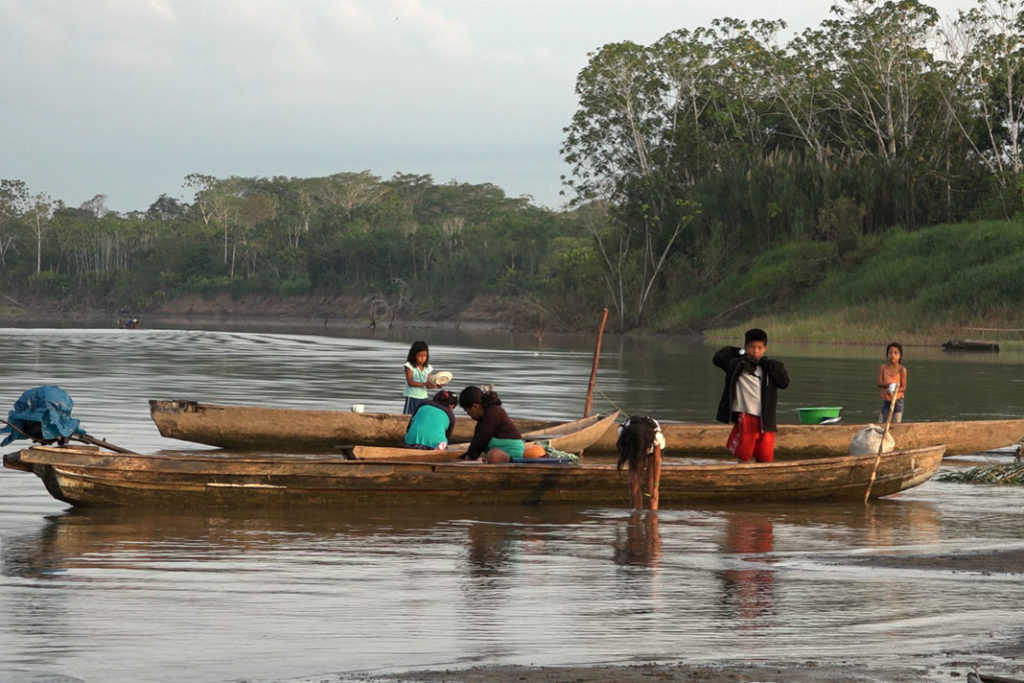
The Kukama are an Indigenous nation whose ancestral territory lies along the Marañón, Ucayali, and Amazon rivers in northeastern Peru. Speakers of the Kukama-Kukamiria language, they possess a rich oral tradition rooted in riverine cosmology, animist spirituality, and intricate ecological knowledge. Traditionally reliant on fishing, small-scale agriculture, and intercommunity trade, the Kukama have long maintained a deep symbiotic relationship with the Amazon Basin. Their identity is inseparable from the waterways they inhabit, and their storytelling, myths, and rituals continue to reflect this spiritual and environmental interconnectedness.
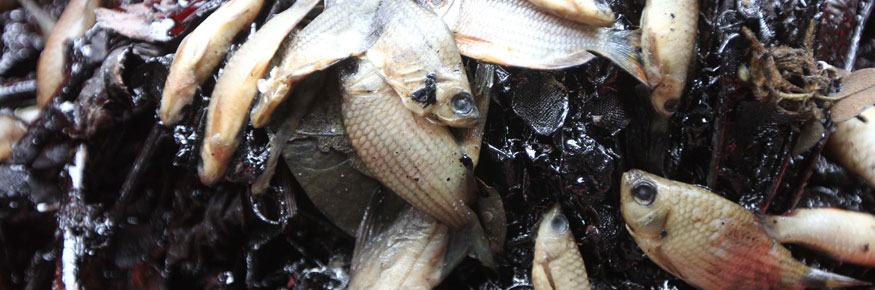
For decades, the Kukama have faced environmental degradation caused by oil extraction in the Loreto region. Repeated spills—such as those involving the Norperuano pipeline operated by Petroperú—have contaminated rivers used for drinking, bathing, and fishing, posing severe health risks and damaging aquatic ecosystems. These environmental crises are compounded by language loss, with UNESCO classifying Kukama-Kukamiria as “critically endangered.” Moreover, legal recognition of land rights remains tenuous, with overlapping concessions to oil companies, loggers, and large-scale agriculture often overriding Indigenous claims and governance structures.
An inspiring resurgence has taken root among the Kukama through cultural education and digital storytelling. The Pukirieta School in Nauta, supported by Radio Ucamara and community leaders, has launched language immersion programs that integrate songs, games, and traditional stories to revitalize Kukama-Kukamiria among youth. Meanwhile, Kukama filmmakers and radio producers are documenting environmental injustices and cultural narratives to amplify their voices nationally and globally. By turning ancestral storytelling into a tool for political resistance and ecological stewardship, the Kukama are ensuring that their river-centered worldview remains vibrant in the face of adversity.