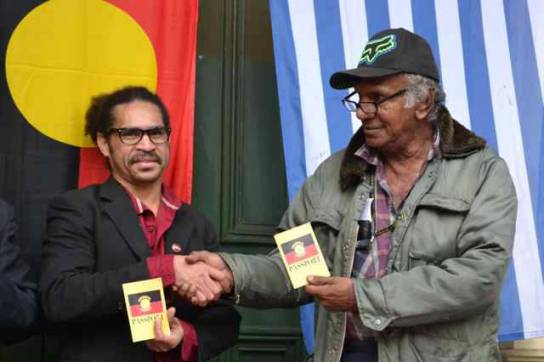
The Kulin Nation comprises several Aboriginal nations, including the Wurundjeri, Boonwurrung, Taungurung, Dja Dja Wurrung, and Wadawurrung, whose ancestral lands span across south-central Victoria, Australia. These nations have inhabited the region for over 40,000 years, developing complex societies with rich spiritual and cultural traditions. The Kulin recognized six distinct seasons, guided by changes in flora and fauna, which informed their sustainable land management practices. Their deep connection to the land is reflected in their ceremonies, stories, and social structures.
The arrival of European settlers in the 19th century brought profound disruptions to the Kulin Nations. Colonization led to the dispossession of their lands, the introduction of foreign diseases, and the establishment of missions that aimed to suppress Indigenous cultures. These missions often prohibited the practice of traditional customs and the speaking of Indigenous languages, leading to significant cultural and linguistic erosion. The impact of these policies has had lasting effects, contributing to ongoing challenges related to land rights, cultural preservation, and social justice.
In recent years, the Kulin Nations have undertaken significant efforts to revitalize their languages and cultural practices. Organizations like the Victorian Aboriginal Corporation for Languages (VACL) play a pivotal role in this resurgence, supporting community-led language programs, educational materials, and digital resources. Initiatives such as language camps, workshops, and school programs aim to reconnect younger generations with their linguistic heritage. Additionally, cultural projects, including the revival of traditional possum skin cloak making, serve as powerful expressions of identity and resilience, fostering a renewed sense of pride and continuity within the Kulin Nations.