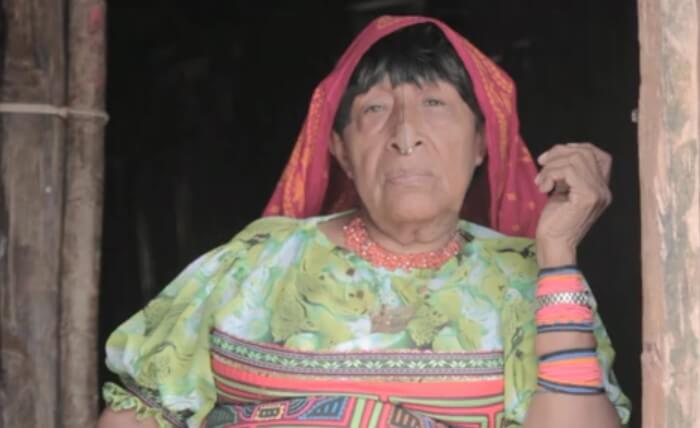
The Kuna, also known as Guna, are an Indigenous community primarily residing in the Guna Yala comarca—a semi-autonomous region along Panama’s northeastern Caribbean coast. Renowned for their vibrant molas (handmade textile art) and matrilineal social structures, the Kuna have maintained a distinct cultural identity. Their language, Dulegaya, remains widely spoken, and traditional customs are preserved through ceremonies, music, and storytelling. The Kuna’s deep connection to their land and sea has fostered a sustainable way of life that emphasizes harmony with nature.
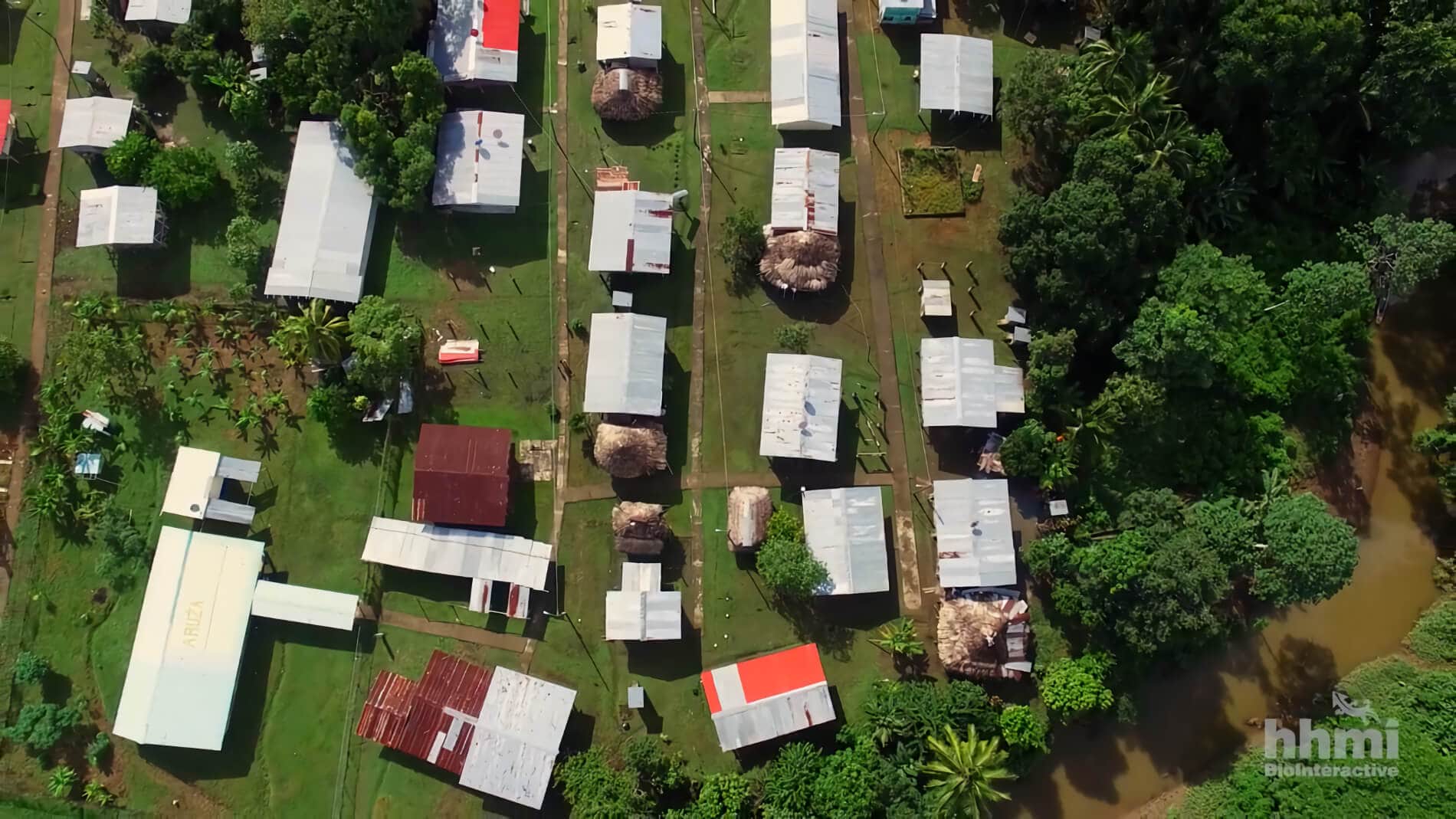
The Kuna are confronting significant challenges, notably the impacts of climate change. Rising sea levels have led to increased flooding on low-lying islands, prompting the relocation of communities such as Gardi Sugdub to mainland settlements like Isber Yala. This marks one of the first climate-induced relocations in Latin America. Additionally, the Kuna face pressures from tourism and modernization, which threaten traditional practices and environmental integrity. Efforts are underway to balance economic development with cultural preservation and ecological sustainability.
In response to these challenges, the Kuna have initiated various cultural revitalization efforts. Community-led programs focus on teaching the Dulegaya language to younger generations, ensuring the transmission of linguistic heritage. Artisans continue to produce molas, which serve as both cultural expressions and sources of income. The Kuna’s commitment to self-governance and environmental stewardship exemplifies their resilience and adaptability. By embracing both tradition and innovation, the Kuna strive to preserve their identity and way of life for future generations.