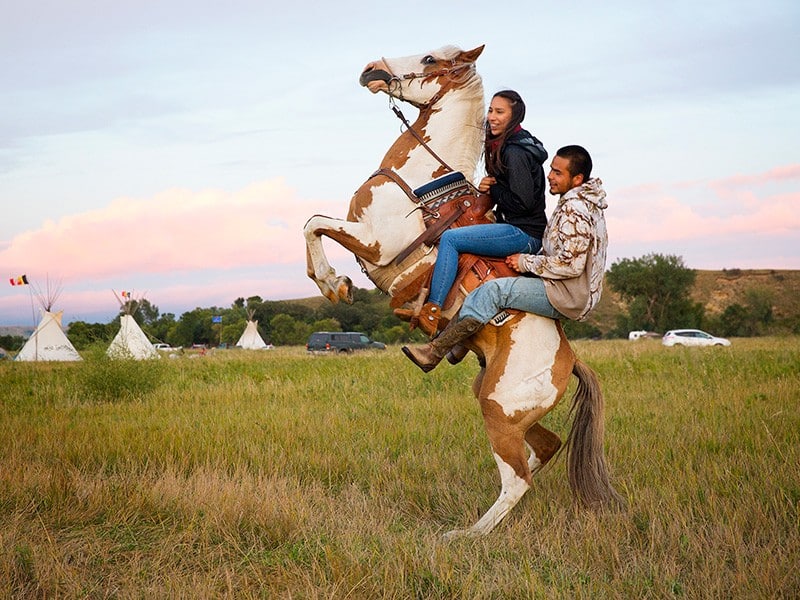
The Lakota are one of the seven council fires of the Oceti Sakowin, known collectively as the Sioux Nation. Primarily located in North and South Dakota, they have maintained a strong cultural presence despite centuries of colonization. The Lakota language, which belongs to the Siouan language family, is central to their identity and worldview. Their way of life is deeply tied to the land, buffalo, and sacred traditions such as the Sun Dance and vision quests. Leaders like Sitting Bull and Crazy Horse continue to inspire the Lakota’s unwavering spirit in preserving sovereignty and cultural integrity.
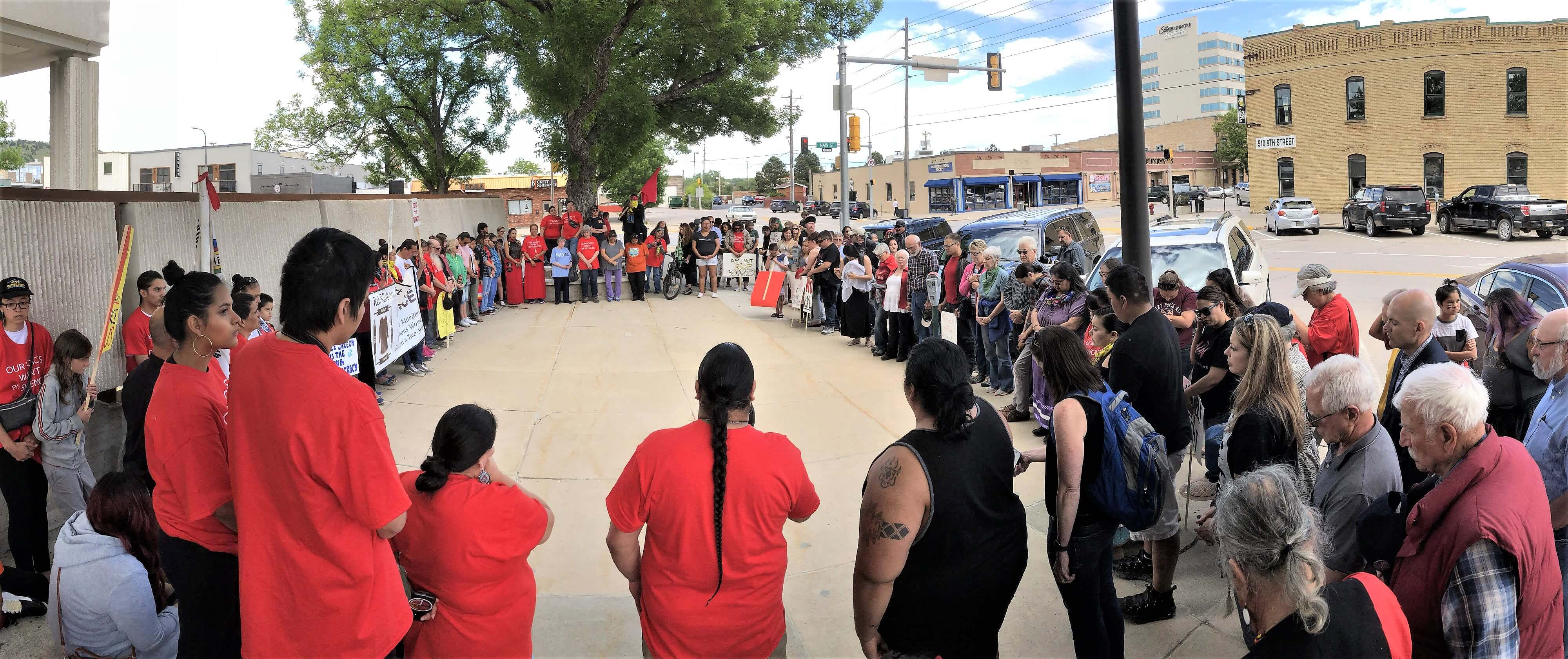
The Lakota face a wide array of modern challenges rooted in historical displacement and colonization. Reservations such as Pine Ridge face some of the highest poverty rates in the United States, with limited access to healthcare, quality education, and infrastructure. Land disputes remain a major issue, especially concerning the Black Hills—sacred territory that was seized despite the 1868 Fort Laramie Treaty. The proposed Keystone XL pipeline, strongly opposed by the Lakota, further illustrates environmental threats and a continued disregard for Indigenous sovereignty. As LaDonna Brave Bull Allard once said, “This is not just about a pipeline. It’s about our rights as a nation, our sovereignty.”
Despite persistent adversity, the Lakota continue to demonstrate extraordinary resilience and innovation. Grassroots initiatives such as the Lakota Language Consortium are working to revitalize the language among youth, using apps, immersion schools, and digital tools. Cultural renaissance efforts through storytelling, powwows, and traditional arts are reconnecting younger generations to ancestral knowledge. Youth leaders and educators are spearheading campaigns for self-determination, decolonized education, and environmental stewardship. Their resistance at Standing Rock became a global symbol of Indigenous solidarity and environmental justice, echoing the Lakota phrase: “Mní wičhóni”—Water is life.