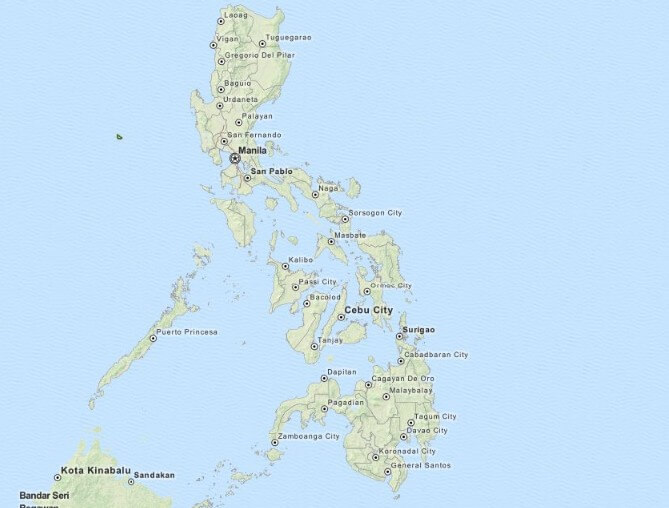
The Manobo are one of the oldest Indigenous nations in the Philippines, with ancestral territories spanning across Mindanao’s river valleys, forests, and mountains. Comprised of several distinct yet related communities such as the Agusan, Ata, and Obo Manobo, they share a cosmology centered on harmony with nature, ancestral spirits, and sacred geography. Their languages, oral epics, and traditional attire reflect a deep relationship with the land, while rituals mark life transitions, harvest cycles, and healing practices guided by spiritual leaders known as *baylan*.
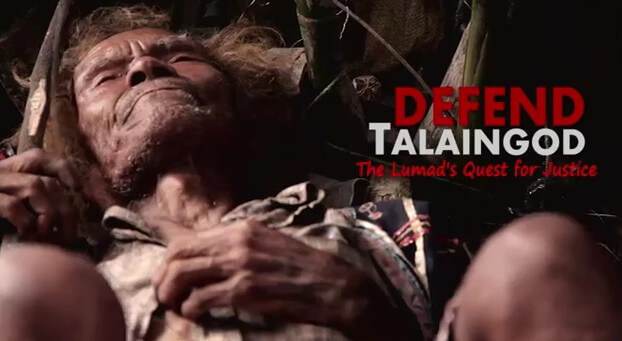
Manobo territories have long been threatened by militarization, illegal logging, mining operations, and agribusiness expansion. Encounters with armed conflicts—both state-led and insurgent-related—have led to repeated displacements, disrupting education, food security, and traditional governance. Despite constitutional protections, land tenure remains insecure, with ancestral domains often unrecognized or encroached upon. The encroachment of dominant cultures and the national curriculum also pose a serious risk to the survival of Manobo languages and customs.
Despite systemic challenges, Manobo communities have launched inspiring initiatives centered on cultural preservation and environmental stewardship. Indigenous schools have been established to teach literacy alongside Manobo history, language, and ecological knowledge. Women leaders and youth are stepping into roles as cultural bearers, storytellers, and human rights advocates. From reforesting degraded lands to reviving ancient chants and epics, the Manobo continue to assert their identity with pride and determination, offering powerful models of resistance and renewal.