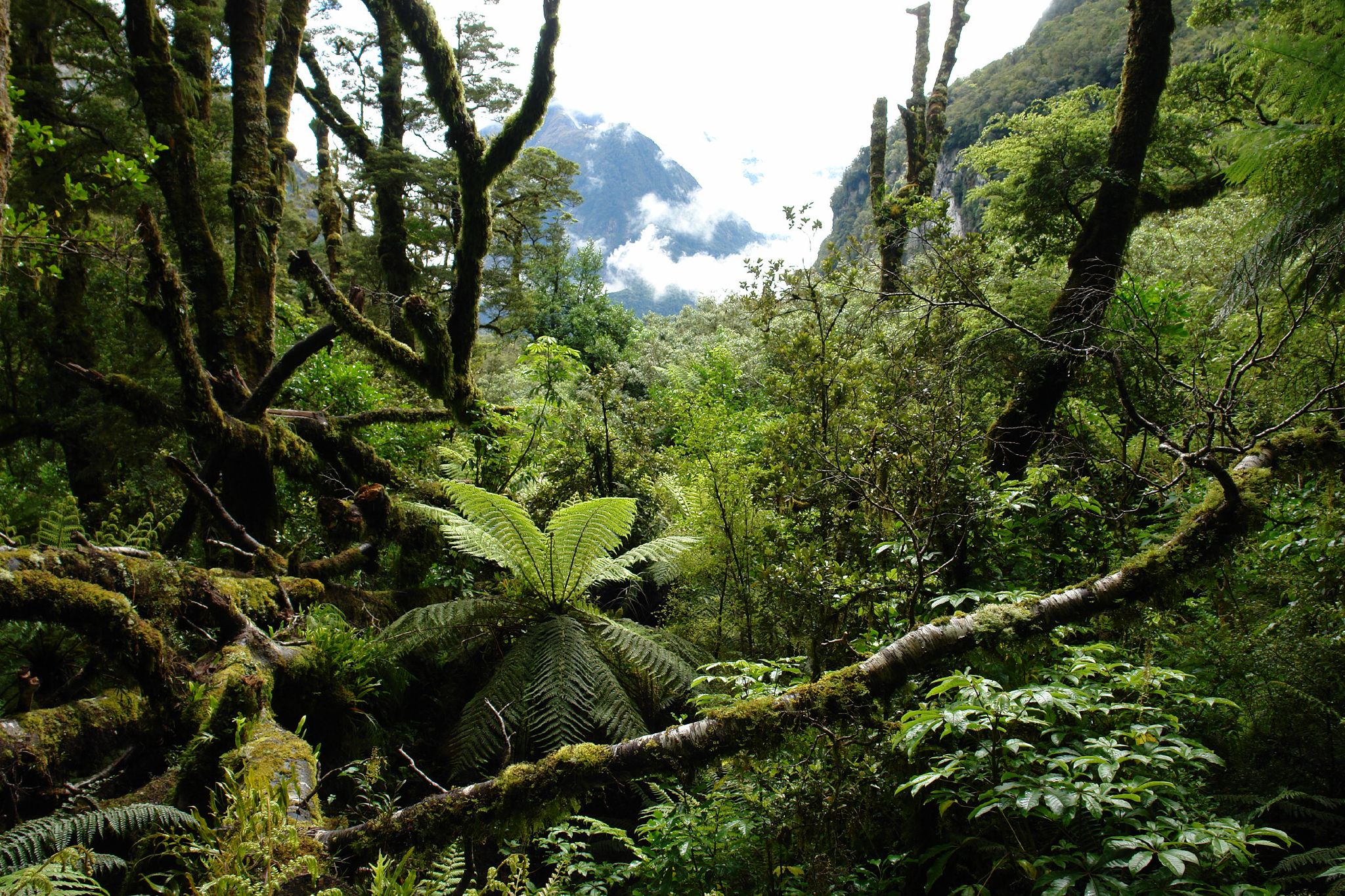
The Māori are the Indigenous nation of Aotearoa (New Zealand), with deep ancestral roots traced through Polynesian navigation across the Pacific. Their identity is interwoven with whakapapa (genealogy), whenua (land), and te reo Māori (language), forming a vibrant culture centered on marae (communal spaces), oral histories, and spiritual connections to the natural world. The Māori worldview, or mātauranga Māori, integrates cosmology, environmental stewardship, and intergenerational wisdom, grounding their place as original caretakers of the land and sea.
The legacy of British colonization continues to affect Māori communities through land dispossession, systemic racism, and intergenerational trauma. Despite the Treaty of Waitangi being established as a founding document, its principles have often been ignored or undermined. Māori face disproportionate rates of incarceration, poverty, and health disparities, particularly in areas like mental health, diabetes, and life expectancy. Additionally, te reo Māori was once actively suppressed in schools, contributing to a significant decline in language fluency across generations.
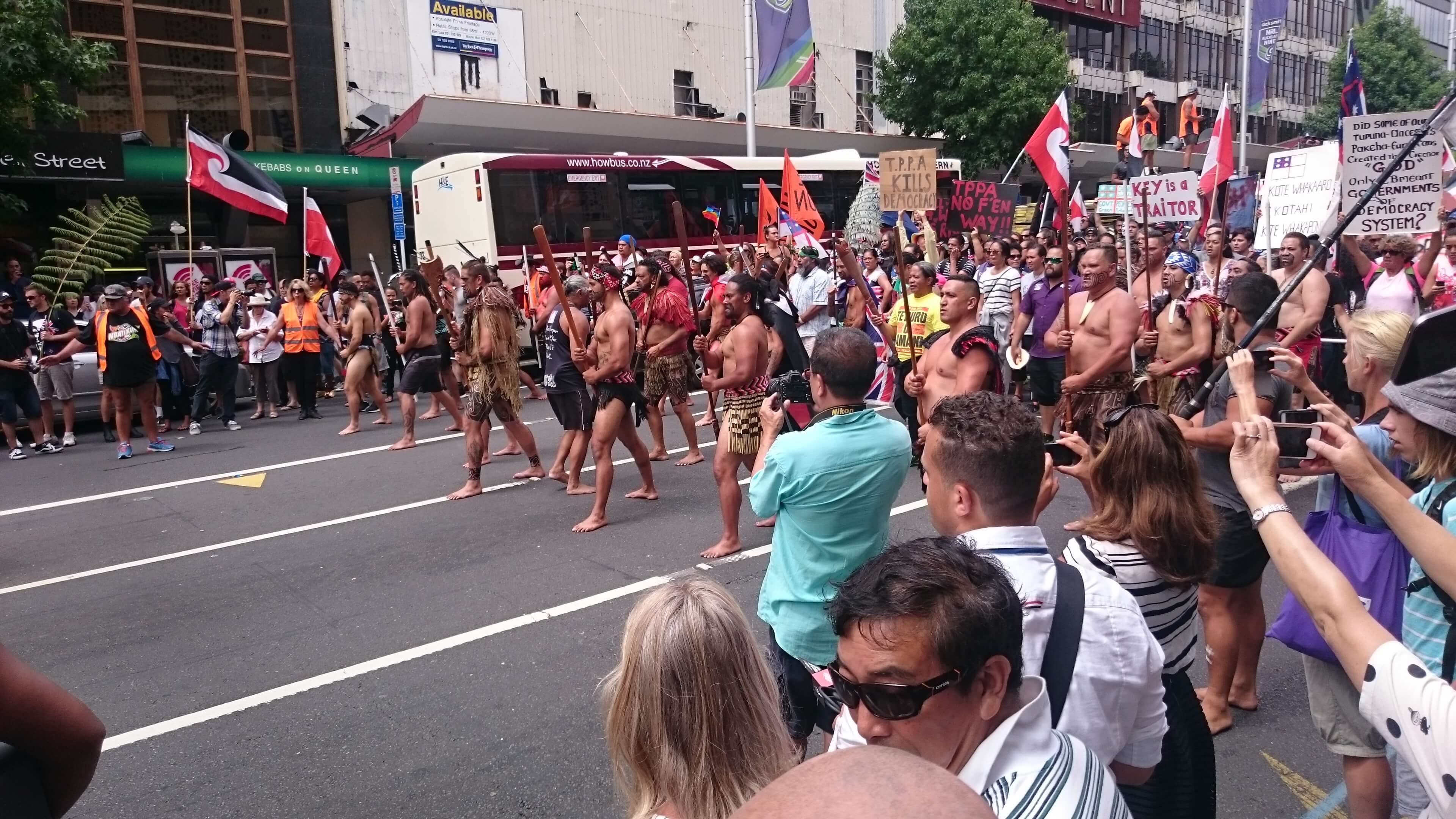
Inspiring cultural resurgence is transforming Māori society today. Language revitalization movements, such as Kōhanga Reo (language nests) and Māori-language media, have reignited pride and fluency in te reo. Māori leaders are influencing national policy, education, and environmental law, including the recognition of rivers and mountains as legal persons. Through land claims, traditional governance models, and a renaissance in Māori arts and storytelling, the nation continues to assert tino rangatiratanga (self-determination), offering powerful models for Indigenous resilience worldwide.