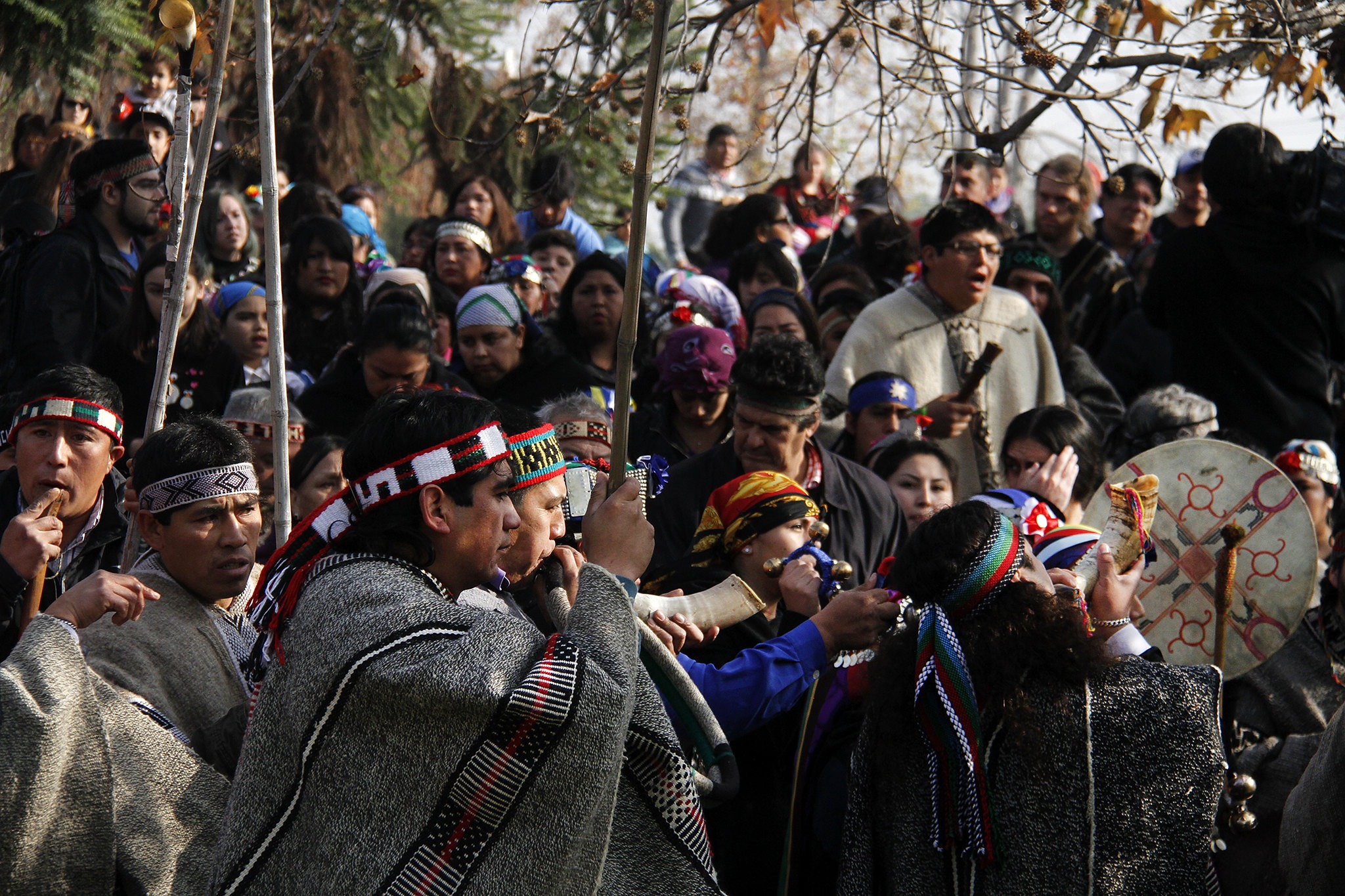
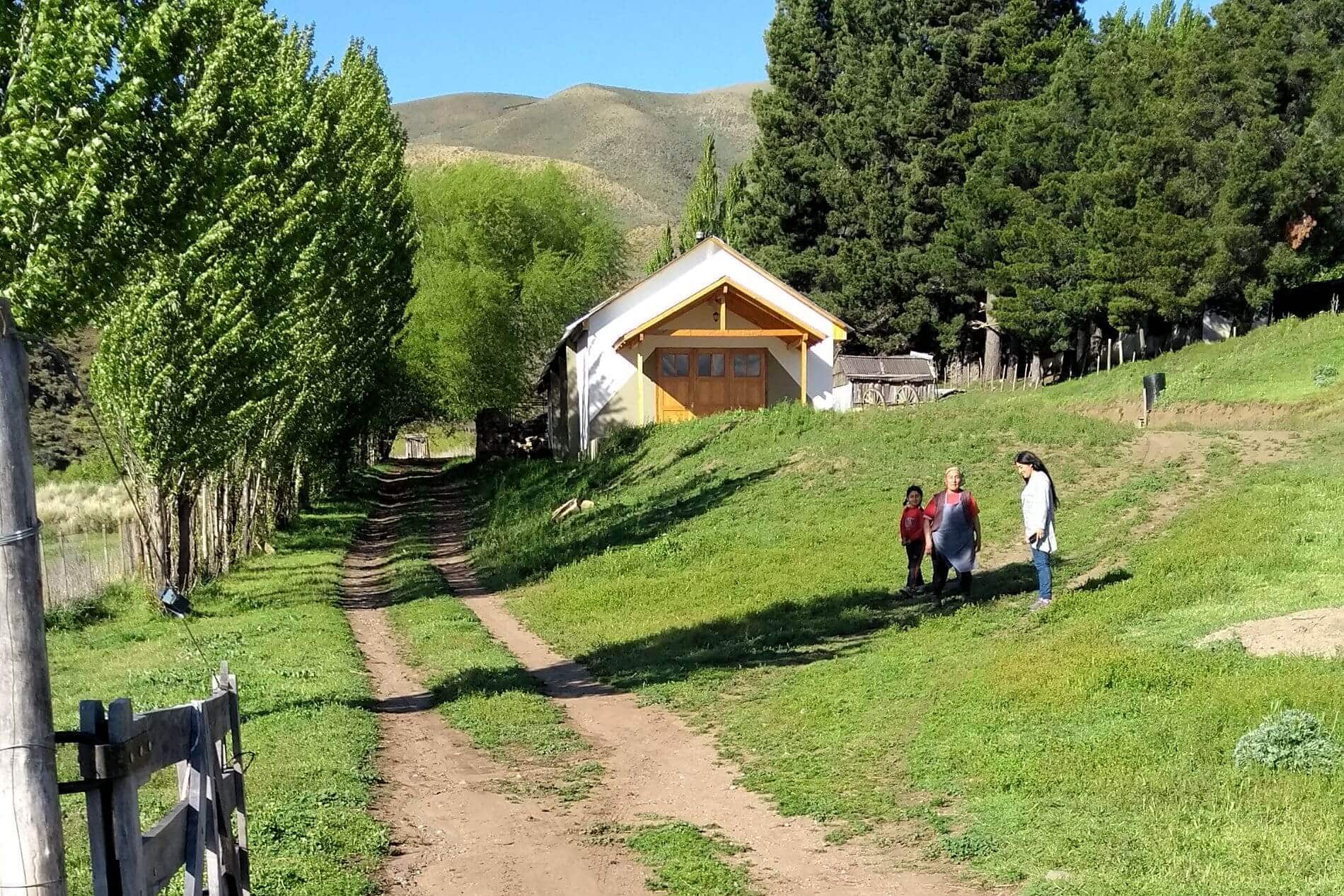
The Mapuche are an Indigenous nation native to south-central Chile and parts of Argentina, known for their deep spiritual relationship with the land, or *Wallmapu*. Their culture is rooted in *Mapudungun* language, traditional medicine, and agricultural practices that align with the rhythms of nature. Ancestral knowledge is passed down through oral histories, sacred ceremonies, and the guidance of *machi* (spiritual healers). Despite centuries of external pressure, the Mapuche have maintained a distinct cultural identity, resisting assimilation while defending their sovereignty.
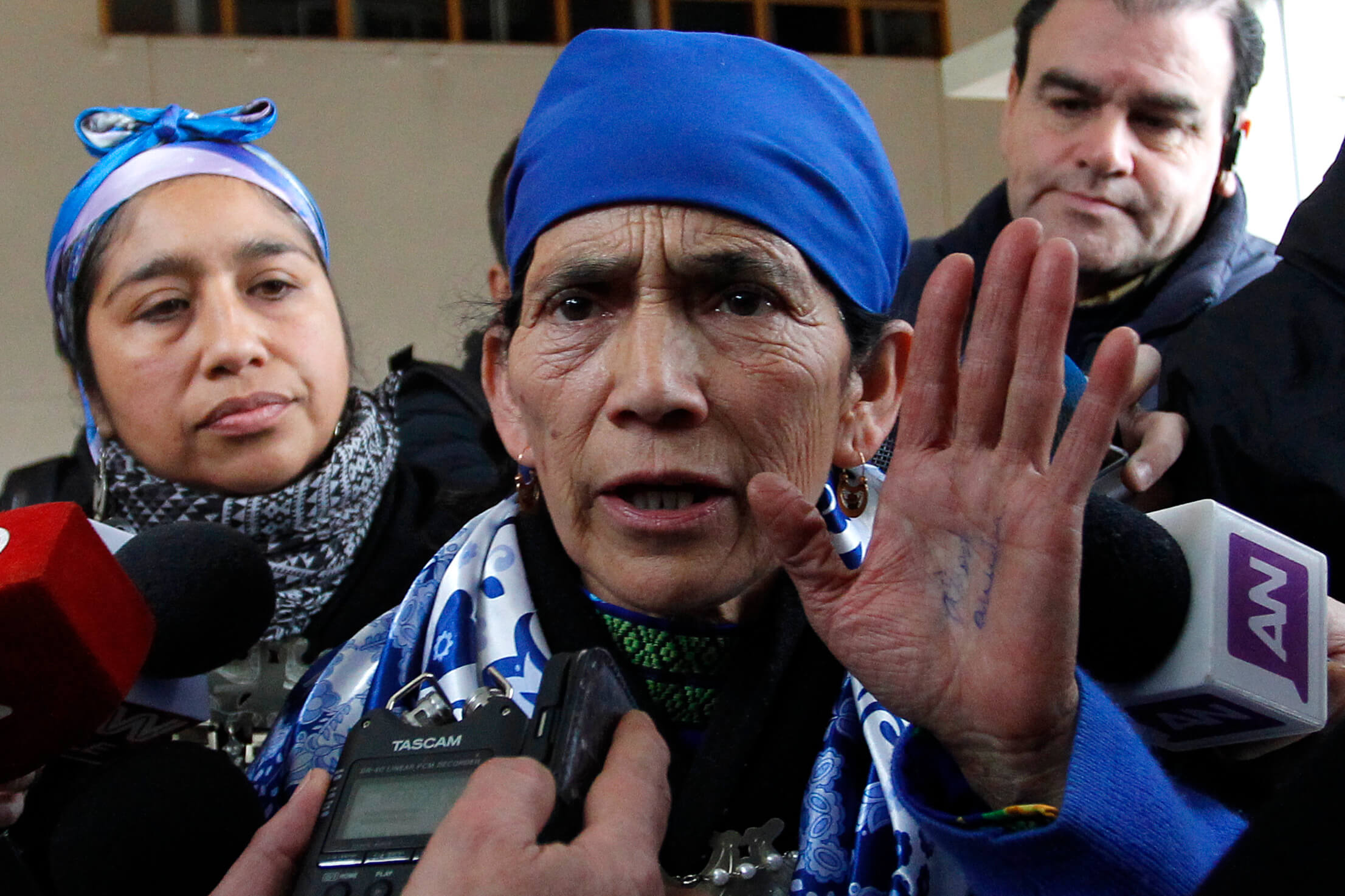
Major challenges faced by the Mapuche include the ongoing loss of ancestral territory to forestry companies, hydroelectric projects, and private landowners. Efforts to reclaim land are frequently met with state violence, legal persecution, and negative media portrayal. Mapuche activists have been arrested under anti-terrorism laws for defending sacred lands, sparking national and international concern. Social and economic inequalities persist, including limited access to quality education, healthcare, and political representation, especially in rural territories.
Despite adversity, the Mapuche continue to inspire through powerful movements for cultural revival and land rights. Community-led schools are preserving the Mapudungun language, while collectives are restoring traditional agriculture and ecological knowledge. Women are at the forefront of resistance, serving as spiritual leaders, educators, and defenders of ancestral territory. From grassroots organizing to international advocacy, the Mapuche exemplify resilience and determination, showing how cultural survival can thrive through unwavering connection to land, identity, and collective memory.