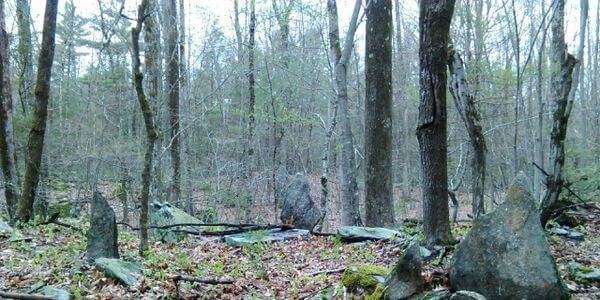
The Massachuset are an Indigenous nation whose ancestral lands span present-day eastern Massachusetts, particularly around Massachusetts Bay. Their name, meaning “at the great hill,” refers to the Blue Hills near Boston. Once central to a vast network of coastal and woodland communities, the Massachuset lived in harmony with the seasonal cycles, practicing agriculture, fishing, and diplomacy. Their language contributed to the Algonquian linguistic family, and their territory later lent its name to one of the most historically significant U.S. states.
The arrival of European settlers in the 17th century brought devastating consequences for the Massachuset. Epidemics like smallpox decimated their population before large-scale colonization even began. Land dispossession, forced assimilation, and the suppression of language and traditions through missionary activity further eroded cultural continuity. By the time of King Philip’s War, many Massachuset had been displaced, enslaved, or forced into praying towns where Indigenous lifeways were heavily policed and altered.
Despite centuries of disruption, descendants of the Massachuset have taken bold steps toward cultural renewal. Language reclamation efforts, including educational projects and lexicon reconstruction, have been instrumental in reconnecting younger generations to their heritage. There is a growing movement to honor ancestral ties to land through storytelling, ceremony, and environmental stewardship. The Massachuset stand as a powerful example of revitalization, proving that even in the face of historical erasure, identity can be reclaimed and celebrated with strength and purpose.