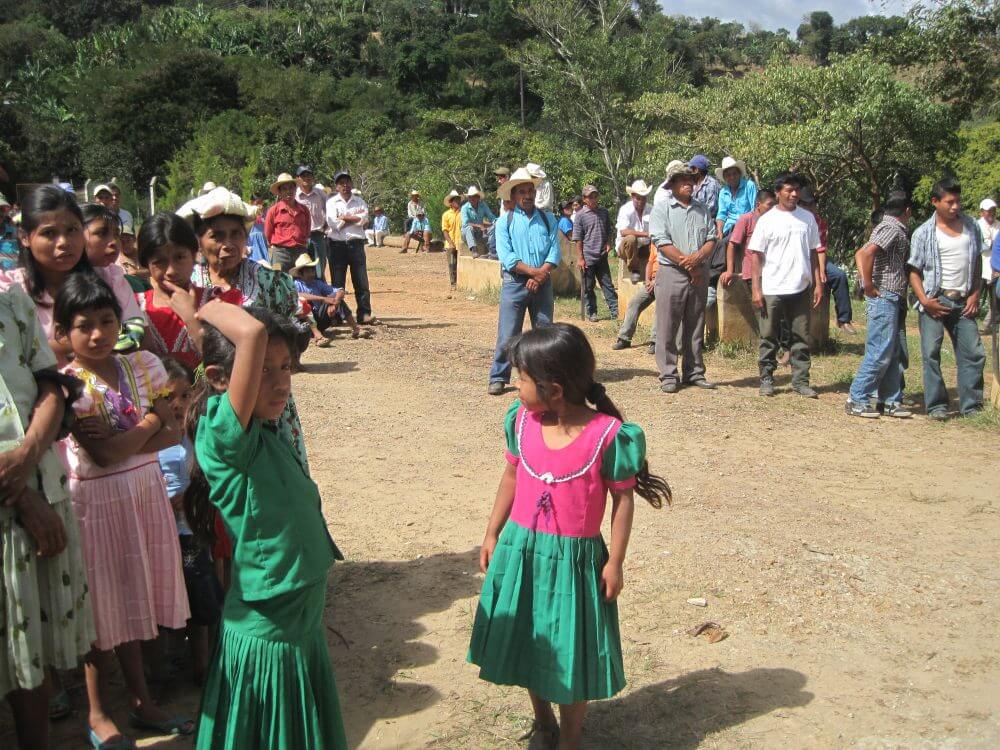
The Maya-Chortis are descendants of the ancient Maya civilization, primarily residing in eastern Guatemala and western Honduras. Their lineage is tied to Copán, one of the most significant Maya city-states, known for its intricate hieroglyphs and architectural achievements. Today, Maya-Chorti communities continue to speak the Ch’orti’ language and preserve agricultural, medicinal, and spiritual traditions that have endured for centuries despite colonization and forced assimilation.
Maya-Chortis contend with systemic land insecurity due to historical expropriation and modern development pressures. Legal recognition of ancestral territory remains a critical issue, often leading to violent evictions and clashes with state or private interests. Cultural marginalization persists through lack of support for Indigenous education, erosion of traditional language use, and limited access to public services. These conditions exacerbate poverty and social exclusion, especially in rural areas.
Despite adversity, Maya-Chortis are actively revitalizing their culture and asserting their rights. Community-led schools teach the Ch’orti’ language, and traditional farming techniques are being restored through agroecological initiatives. Spiritual leaders and elders play a central role in maintaining ceremonial practices, reinforcing a collective identity rooted in land and cosmology. These efforts reflect a powerful resurgence, driven by a commitment to sovereignty, cultural survival, and intergenerational strength.