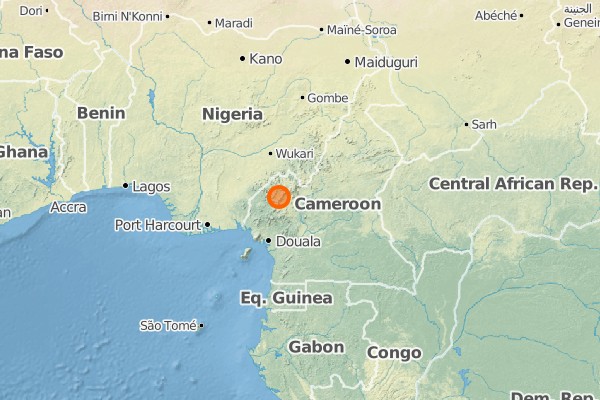
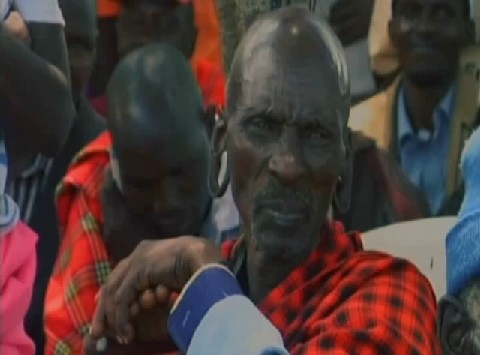
The Mbororo are a nomadic community spread across countries like Cameroon, Chad, Niger, and the Central African Republic. A branch of the Fulani, the Mbororo are traditionally pastoralists, known for their deep connection to cattle herding, seasonal migration, and rich oral traditions. Their social identity is intertwined with spiritual cosmologies, body adornment practices, and a distinct Fulfulde dialect that reflects their mobile way of life across savannahs and grasslands.
The Mbororo face mounting challenges as climate change disrupts grazing routes and access to water sources, undermining their nomadic pastoral economy. Violent conflict, particularly in regions plagued by militia activity and transboundary tensions, has led to widespread displacement and restricted movement. Additionally, discriminatory policies often exclude the Mbororo from land rights, education, and political representation, deepening their vulnerability in both rural and urban contexts.
Despite these hardships, the Mbororo have demonstrated extraordinary resilience. Elders serve as mobile historians, preserving cultural memory through song and storytelling, while women sustain knowledge systems through intricate hairstyles, facial markings, and community healing practices. In recent years, Mbororo leaders have begun advocating on global platforms for Indigenous rights, climate justice, and cultural survival—turning centuries of oral tradition into tools for political agency and environmental stewardship.